Managing payroll is an important task for any business. Employees depend on accurate and timely payments. Many companies use spreadsheets like Excel for payroll management. At first, this may seem easy and cost-effective. But as businesses grow, spreadsheets become a problem.
Spreadsheets are not designed for payroll management. They can cause mistakes, security risks, and wasted time. Errors in payroll can lead to legal issues and unhappy employees. A payroll management company can help businesses avoid these problems.
Here are six reasons why spreadsheets are not the best choice for payroll management.
1. High Risk of Errors
Spreadsheets require manual data entry. Employees must type in numbers, names, and tax details. A small typing mistake can cause big problems.
For example, if you enter the wrong salary amount, an employee may get overpaid or underpaid. If tax calculations are wrong, the company may face penalties. Spreadsheet payroll mistakes leading to tax penalties are a major concern.
Unlike spreadsheets, payroll management services use automated systems. These systems reduce errors and ensure correct calculations.
Common Payroll Mistakes in Spreadsheets:
- Typing errors in salaries or tax amounts
- Incorrect formulas leading to wrong calculations
- Forgetting to update tax rates and deductions
- Copy-pasting errors
- Missing or duplicate employee records
A real-world example of spreadsheet errors causing payroll problems is the case of a mid-sized company that mistakenly calculated overtime wages, leading to thousands of dollars in overpayments. Fixing these mistakes took weeks and caused financial strain.
2. Security Risks
Payroll data is highly sensitive. It contains employee names, salaries, bank details, and tax information. Spreadsheets are not secure. Anyone with access can change or delete data. There is also a risk of unauthorized access or data leaks.
If a spreadsheet is stored on a shared drive, multiple people can open it. This increases the risk of accidental or intentional data changes. Cybercriminals can also hack into unprotected spreadsheets, leading to data theft.
A payroll management company provides secure payroll processing. Their systems have strong security measures, such as encryption and restricted access. This keeps payroll data safe from breaches.
Risks of Using Excel for Payroll Processing:
- Unauthorized access to payroll data
- Accidental data loss or deletion
- Risk of hacking and data breaches
- Lack of audit trails for changes made
A major example of payroll security risks is when companies mistakenly share payroll spreadsheets with unauthorized employees, leading to confidential salary information leaks. This can create internal disputes and legal liabilities.
Payroll outsourcing services use advanced security measures to protect payroll data. These services keep confidential information safe from cyber threats.
Also Read: How to Calculate Salary Hike Percentage – Formula and Example
3. Time-Consuming Process
Processing payroll with spreadsheets takes a lot of time. HR teams must enter data, check calculations, and ensure compliance. This process can take hours or even days.
For a small business with a few employees, spreadsheets might work. However as a company grows, payroll processing becomes more complicated. More employees mean more data to manage.
Why Spreadsheets Slow Down Payroll:
- Manually entering employee details every month
- Double-checking calculations for accuracy
- Fixing errors caused by human mistakes
- Updating tax rates and deductions
A survey found that companies using spreadsheets for payroll spent up to 15 hours per payroll cycle. This is time that could be used for other important business tasks.
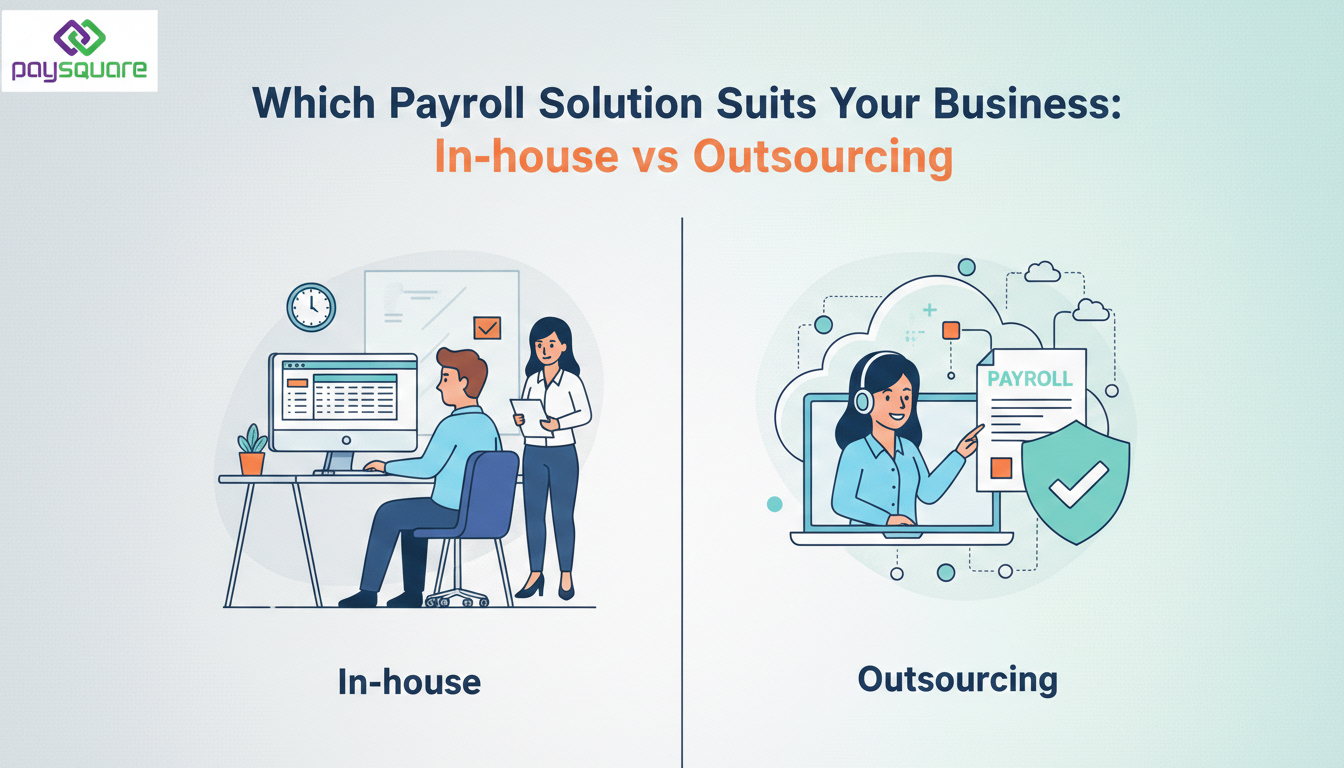
Outsourcing payroll services saves time. Automated payroll systems handle calculations, tax deductions, and compliance tasks quickly and accurately. Businesses can focus on growth instead of spending time on payroll processing.
4. Compliance Challenges
Payroll laws and tax rules change often. Businesses must stay updated with these changes. Spreadsheets do not update automatically. This increases the risk of non-compliance.
For example, tax rates, employee benefits, and labor laws may change every year. If a business does not update its spreadsheet, it may deduct the wrong tax amount. This can lead to penalties from tax authorities.
Compliance Risks with Spreadsheets:
- Outdated tax rates and deductions
- Incorrect employee classification
- Delays in tax filing and reporting
- Non-compliance with labor laws
A well-known case involved a business that failed to update tax rates in its payroll spreadsheet. This resulted in underpaid taxes and a hefty fine from tax authorities.
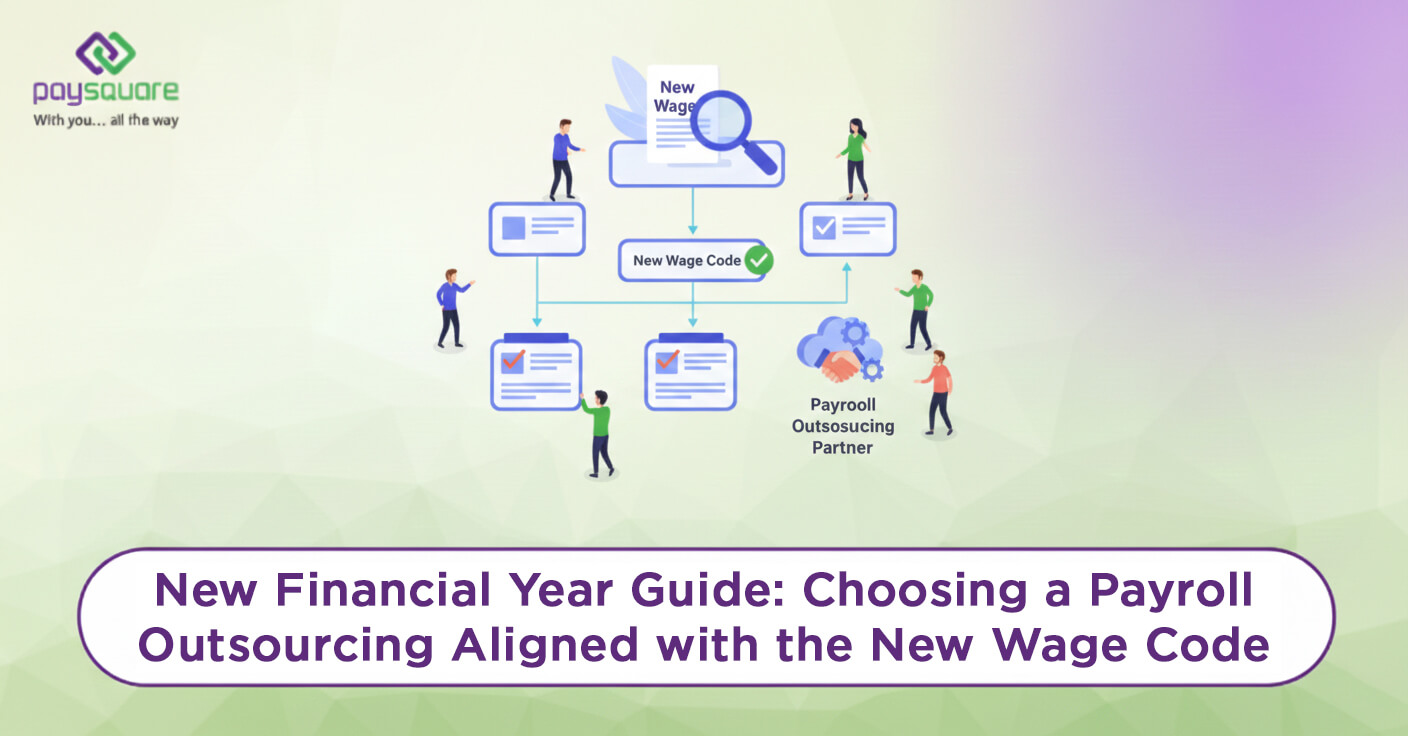
Payroll outsourcing services ensure compliance with the latest tax laws. Payroll experts handle tax calculations and deductions correctly. This helps businesses avoid legal problems and fines.
Also Read: The Insider’s Guide to Payroll Processing in India and Why it Matters
5. Hidden Costs
Spreadsheets may seem like a free payroll solution, but they have hidden costs. Businesses may face fines for errors, security breaches, or compliance failures. Manual payroll processing also requires extra staff time.
A company that uses spreadsheets for payroll needs employees to check and manage data. This increases labor costs. If errors occur, businesses may have to pay late fees or penalties.
Hidden Costs of Manual Payroll Spreadsheets:
- Extra staff time spent on payroll management
- Legal penalties due to tax errors
- Data recovery costs in case of spreadsheet corruption
- Cost of correcting payroll mistakes
One hidden cost businesses often overlook is the expense of recovering lost payroll data. If a spreadsheet crashes or gets deleted accidentally, retrieving it can be costly and time-consuming.
Payroll outsourcing services in India offer cost-effective solutions. They reduce errors, improve security, and save valuable time. Businesses can invest their resources in growth instead of fixing payroll issues.
6. Limited Scalability
As a business grows, payroll processing becomes complex. Spreadsheets are not scalable. Managing hundreds of employees manually is inefficient.
For example, adding new employees to a spreadsheet requires updating multiple sheets and formulas. This increases the chances of mistakes. A growing company also needs more compliance tracking, tax updates, and benefits management.
A payroll management company provides scalable solutions. Their systems can handle large amounts of data efficiently. These services grow with the business and simplify payroll processing.
Why Spreadsheets Fail as a Business Grows:
- Difficult to track payroll for many employees
- Hard to update tax and benefit details
- Increased risk of manual errors
- Time-consuming data management
A growing business that expanded from 50 to 200 employees struggled with spreadsheet payroll. The HR team spent twice as much time on payroll, leading to delays and frustration.
Payroll management services use cloud-based systems. These systems can handle payroll for small businesses and large enterprises. They ensure smooth payroll operations, no matter how big a company gets.
Conclusion
Using spreadsheets for payroll is risky. Errors, security issues, compliance challenges, and hidden costs make them a poor choice. Businesses that rely on spreadsheets for payroll may face tax penalties, data breaches, and wasted time.
Payroll outsourcing services ensure accurate, secure, and efficient payroll management. They save time and help businesses focus on growth.
If your business still uses spreadsheets for payroll, it’s time to switch. A payroll management company can help you streamline payroll, reduce risks, and improve compliance.
Paysquare Consultancy Ltd – Your Partner in Precision Payroll Solutions.
https://youtu.be/TRapvNb6wHU?si=JwMzNd_tUW6_79Q4