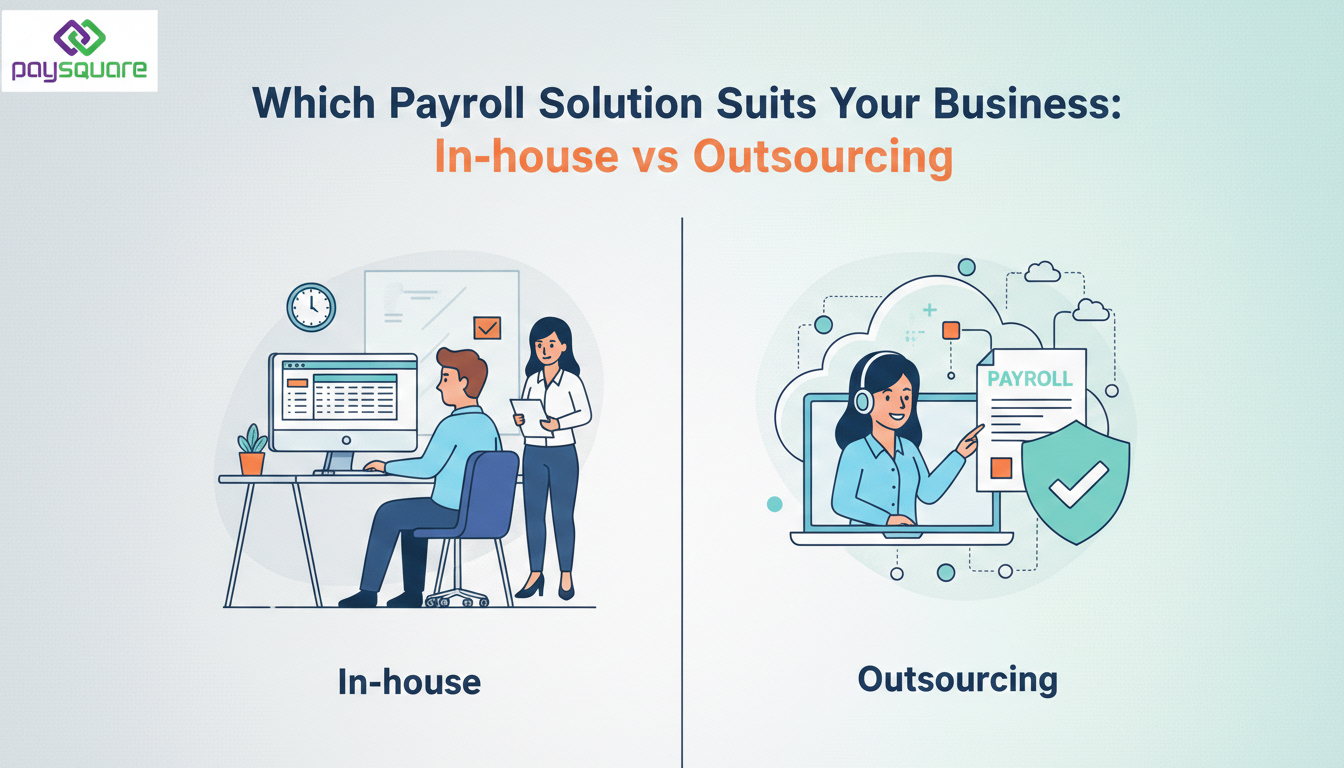
For small and medium-sized enterprises (SMEs), managing payroll can be a complex challenge. With changing tax laws, compliance demands, and the need for precision, many businesses weigh the choice between handling payroll in-house or relying on professional payroll services.
Read below to know more!
Understanding In-House Payroll Costs
Handling payroll internally involves several direct and indirect expenses:
- Personnel Costs: Hiring dedicated payroll staff or assigning existing employees to manage payroll duties.
- Software and Tools: Purchasing and maintaining payroll software, including updates and licenses.
- Training and Development: Ensuring staff are trained on the latest payroll regulations and software functionalities.
- Compliance and Legal Risks: Potential costs associated with non-compliance, such as fines or penalties.
- Time Investment: A significant amount of time is spent on payroll processing, which could otherwise be directed towards core business activities.
According to the American Payroll Association, in-house payroll can cost up to 18% more than outsourcing when considering software, training, and employee salaries.

Key Advantages of Payroll Outsourcing for SMEs
- Cost Savings: Outsourcing eliminates the need for in-house payroll staff, software, and training, leading to significant cost reductions.
- Time Efficiency: By transferring payroll responsibilities to experts, businesses can reallocate time to focus on growth and core operations.
- Expertise and Accuracy: Professional payroll providers stay updated with the latest tax laws and regulations, ensuring accurate and compliant payroll processing.
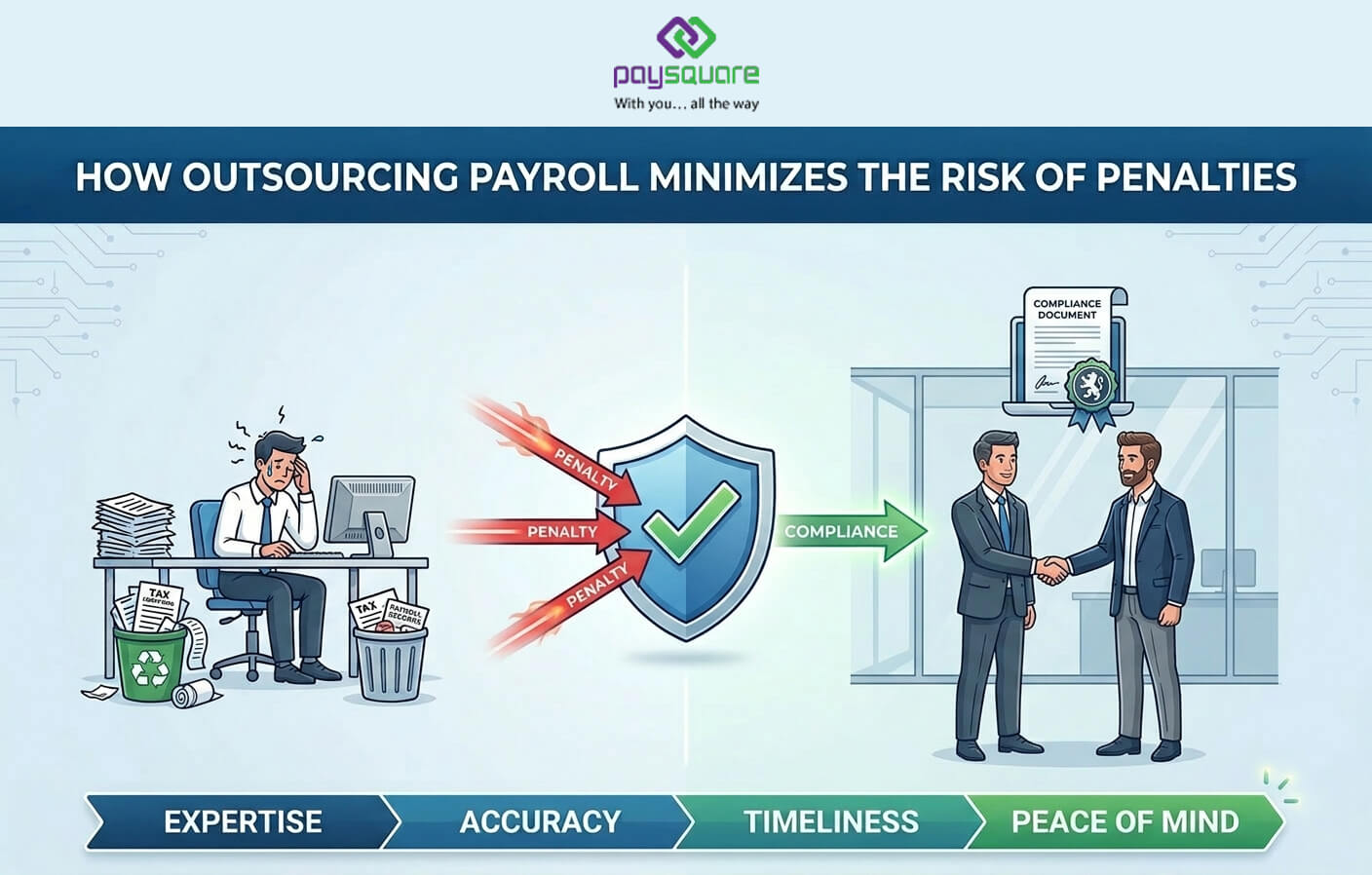
- Risk Mitigation: Outsourcing reduces the risk of errors and non-compliance, protecting businesses from potential fines and legal issues.
- Scalability: As businesses grow, outsourced payroll services can easily scale to accommodate increased complexity without significant additional investment.
Comparative Cost Analysis
Expense Category | In-House Payroll | Outsourced Payroll |
Personnel Costs | High | None |
Software & Tools | Required | Provided |
Training & Development | Ongoing | Minimal |
Compliance Risks | Higher | Lower |
Time Investment | Significant | Minimal |
Scalability | Limited | High |
Note: Costs are indicative and can vary based on company size and specific requirements.
Conclusion: Outsourcing as a Strategic Choice
For SMEs striving to optimise operations and cut expenses, outsourcing payroll services provides a clear advantage. The financial savings, operational efficiency, and access to expert knowledge make it a smart strategy for businesses that want to streamline processes and concentrate on growth.
Paysquare stands out as a trusted partner in payroll outsourcing. With a proven track record of delivering accurate, compliant, and timely payroll services, Paysquare enables SMEs to concentrate on their core business activities while ensuring seamless payroll management. Explore how Paysquare can transform your payroll processes and contribute to your business's success.