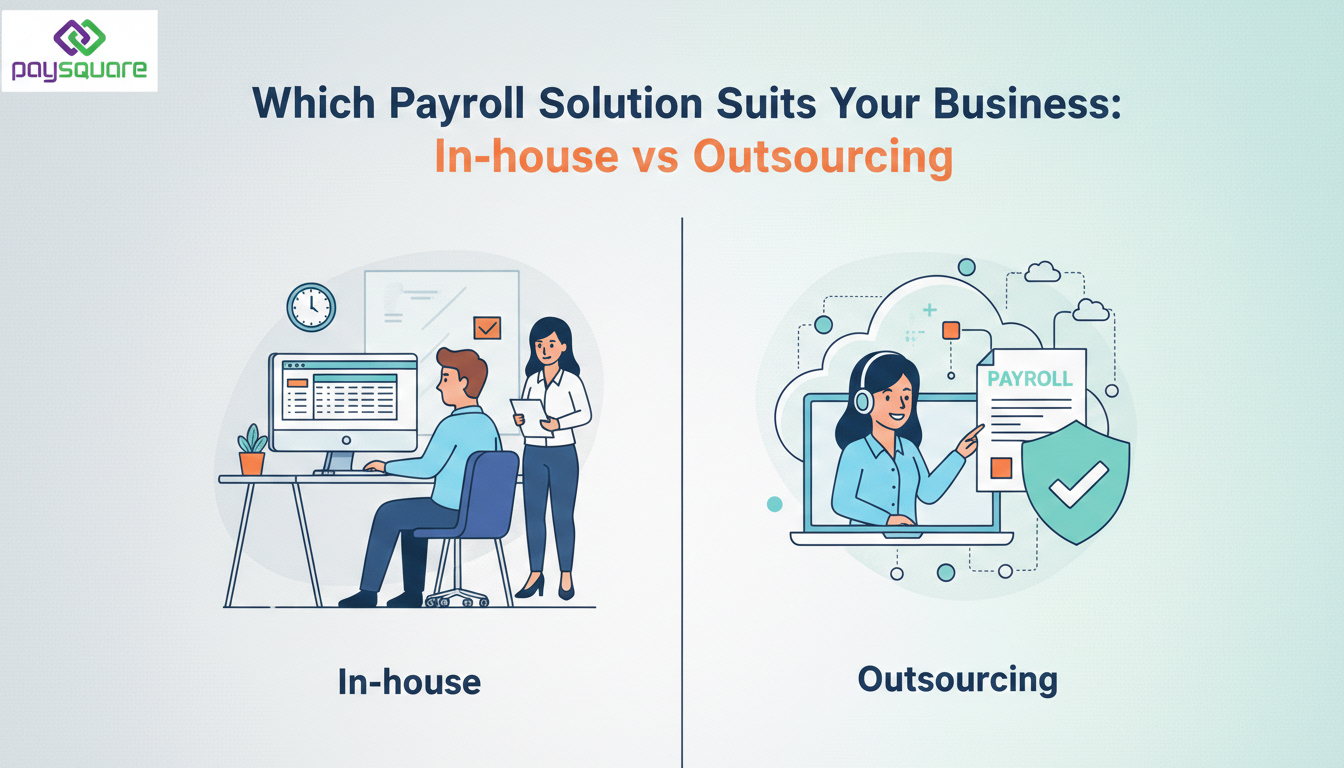
Payroll administration is a must for every business employing staff, and one of the major aspects of this whole process is the payroll report. These reports are not merely administrative tools; they are indispensable for compliance, budgeting, and financial clarity. Whether a company manages payroll in-house or opts for Outsourcing Payroll services, reviewing payroll reports remains essential to ensure accuracy and maintain control over employee salary disbursements.
What Exactly is a Payroll Report?
Basically, a payroll report is an elaborate account of the payment details of employees for a certain time frame. It incorporates information like worker names, salaries, hours worked, tax deductions, bonuses, and perks. In short, it reveals the amount a business disburses to its workers and what is deducted as taxes or other payments on their behalf.
Outsourcing Payroll services helps employers access accurate payroll reports that track salary expenses, calculate taxes, and ensure compliance with local labour laws. These reports also play a key role in auditing, internal reviews, and strategic financial planning.
Types of Payroll Reports
Different organizations use various types of payroll reports based on their needs. Here are some of the most common ones:
- Employee Earnings Report
This report details each employee’s earnings, including base salary, overtime, commissions, and bonuses. It also shows tax deductions, benefits contributions, and net pay. Managers use it to confirm accurate payments and resolve employee queries. - Payroll Summary Report
A payroll summary provides an overview of total payroll costs for a given period. It summarises total wages, taxes withheld, and employer contributions. Business owners and finance teams use it for budgeting and expense tracking. - Tax Liability Report
This report shows the total amount of tax withheld from employee paychecks and what the employer owes to the tax authorities. It ensures that all required tax payments are made on time and accurately. - Leave and Attendance Report
This report records employee attendance, leaves taken, and overtime hours. It helps HR departments verify working hours and calculate accurate pay. - Benefits and Deductions Report
This document details all benefits provided to employees, such as health insurance, provident fund, or pension contributions, along with deductions for loans, advances, or unpaid leaves. - Departmental Payroll Report
Large organizations often generate payroll reports for each department. This allows them to track labour costs by function, which is useful for budgeting and cost analysis. - Year-End Payroll Report
At the end of each financial year, companies prepare this report for audits, tax filing, and compliance checks. It summarizes total payments and deductions made during the year.
Why Payroll Reports Are Important
Payroll reports are much more than financial documents; they are key tools for transparency, compliance, and business management. Here are the main reasons they are so important:
- Ensuring Accuracy in Payments
Payroll reports help confirm that every employee has been paid the correct amount. They record all adjustments, bonuses, and deductions, minimizing disputes and ensuring fair compensation. - Compliance and Legal Requirements
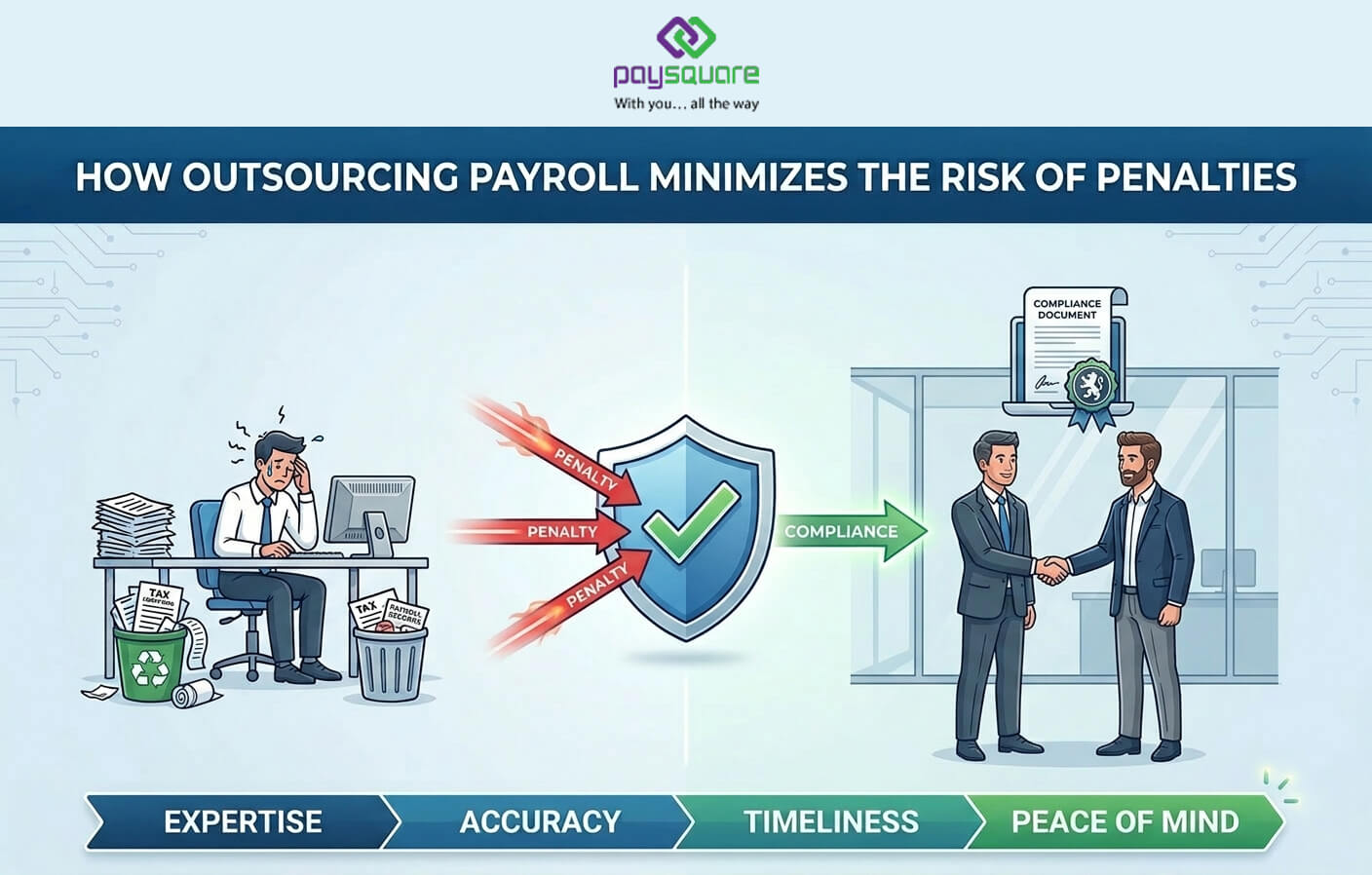
Governments require businesses to maintain accurate payroll records. Payroll reports provide the necessary data for tax filings, audits, and compliance with labour laws. Missing or inaccurate reports can lead to fines or penalties. - Financial Planning and Budgeting
Payroll is often one of the largest expenses for any business. Detailed payroll reports help management understand cost structures, plan budgets, and forecast future expenses more accurately. - Internal Auditing and Transparency
Payroll reports enhance transparency within the organization. They make it easier for HR, finance, and management teams to cross-check data and ensure that payroll operations follow internal policies. - Employee Trust and Satisfaction
Clear and accurate payroll reporting ensures that employees are paid correctly and on time. This builds trust and boosts morale within the workforce. - Performance and Productivity Insights
When combined with attendance and performance data, payroll reports can help identify trends such as absenteeism or overtime dependence, allowing for better workforce management. - Support for Outsourced Payroll Partners
For companies that outsource payroll, reports provide both the client and the vendor with visibility into all payroll activities, ensuring mutual accountability and transparency.
Key Components of a Payroll Report
To fully understand the value of a payroll report, it’s important to know what information it typically contains. While the format may vary depending on the company or service used, most reports include the following components:
- Employee Information
- Name, employee ID, and department
- Employment type (full-time, part-time, or contractual)
- Designation and pay grade
- Name, employee ID, and department
- Earnings Details
- Basic salary
- Allowances (HRA, transport, etc.)
- Incentives, commissions, or bonuses
- Overtime pay
- Basic salary
- Deductions
- Taxes (income tax, professional tax, etc.)
- Social security or provident fund contributions
- Health insurance or pension deductions
- Loan or advance repayments
- Taxes (income tax, professional tax, etc.)
- Employer Contributions
- Company contributions to benefits like health insurance, provident fund, or pension schemes
- Company contributions to benefits like health insurance, provident fund, or pension schemes
- Net Pay
- The final amount employees receive after all deductions
- Also referred to as “take-home pay”
- The final amount employees receive after all deductions
- Tax and Compliance Summary
- Employer’s total tax liability
- Taxes withheld from employees
- Statutory compliance details
- Employer’s total tax liability
- Signatures and Approval
- Authorized signatories for internal or audit purposes
- Authorized signatories for internal or audit purposes
Digital Payroll Reports: The Modern Advantage
With modern Outsourcing Payroll services and cloud-based solutions, payroll reporting has become faster and more reliable. These digital systems can automatically generate detailed reports in real time, reducing manual errors and saving time.
Advantages of digital payroll reports include:
- Report access to accurate data
- Easy customization of reports for management or audit needs
- Data backup and cloud storage security
- Integration with accounting and HR systems
- Automated updates for tax laws and compliance rules
Businesses no longer need to manually prepare spreadsheets; advanced payroll systems handle all calculations, tax updates, and compliance automatically. This not only increases efficiency but also allows HR teams to focus on strategic goals rather than routine paperwork.
Common Challenges in Managing Payroll Reports
Even with advanced systems, businesses may face challenges in handling payroll reports effectively. Some common issues include:
- Data inconsistencies due to human error in input
- Lack of integration between HR, accounting, and software
- Compliance complexities when operating in multiple regions
- Limited visibility in outdated manual systems
To overcome these challenges, many organizations turn to a professional payroll outsourcing services provider that specialises in compliance, reporting, and secure payroll management.
Conclusion
A payroll report is much more than a simple record of wages; it is a vital document that supports compliance, financial planning, and business efficiency. From tracking employee compensation to ensuring legal accuracy, payroll reports form the foundation of a transparent and well-managed HR system.
Modern payroll technology and outsourcing solutions have made it easier than ever to manage these reports with precision and security.
If your business faces challenges with manual payroll reporting or compliance, Paysquare’s Outsourcing Payroll services provide complete end-to-end payroll management solutions. Their advanced systems generate accurate payroll reports, ensure statutory compliance, and provide real-time insights into your workforce costs. With over 25 years of experience, Paysquare helps organizations simplify payroll, improve accuracy, and focus on business growth.