Payroll automation has become an essential component for modern organizations looking to enhance their efficiency and accuracy. By automating various payroll processes, companies can significantly reduce the administrative burden, minimize errors, and ensure timely and compliant payroll operations. This not only streamlines the workflow but also boosts employee satisfaction by ensuring consistent and accurate payment. Below are several key payroll processes that can benefit from automation:
- Data Entry and Employee Information Management
One of the most time-consuming aspects of payroll processing is entering and managing employee information. Manual data entry has more chances of errors, leading to inaccurate payments and compliance issues. Automation can streamline this process by allowing employees to input and update their information through self-service portals. These portals ensure that data is accurately captured and stored, reducing the administrative burden on HR personnel and minimizing the risk of errors.
- Time and Attendance Tracking
Automated time and attendance systems can significantly enhance the accuracy and efficiency of payroll processes. These systems automatically record employee working hours, overtime, and leave, ensuring that this data is accurately reflected in payroll calculations. By integrating time tracking with payroll software, organizations can eliminate the need for manual timesheet entries, reduce discrepancies, and ensure employees are compensated correctly for their time.
- Payroll Calculation
Calculating wages, taxes, deductions, and benefits manually can be complex and error-prone. Automated payroll systems use predefined algorithms to accurately calculate these amounts based on employee data and applicable laws. This not only speeds up the payroll process but also ensures that employees receive the correct pay, including overtime and bonuses. Automation also helps in adjusting for tax changes and benefit adjustments without manual intervention.
- Tax Filing and Compliance
Tax compliance is a complex aspect of payroll processing services, and non-compliance can result in severe penalties. Automated payroll systems are regularly updated with the current tax laws and regulations and confirms that all calculations and filings are accurate and compliant. These systems can automatically generate tax forms, calculate tax liabilities, and file taxes on behalf of the organization. This minimizes human error and ensures timely and accurate tax reporting.
- Direct Deposits and Payment Distribution
Automating the distribution of employee payments through direct deposits can save time and reduce costs associated with printing and distributing paper checks. Automated payroll systems can process payments efficiently, so employees obtain their wages directly into their bank accounts on payday. This not only improves employee satisfaction but also enriches security by reducing the risk of lost or stolen checks. It is an important part of automated payroll services in India.
- Expense Reimbursements
Handling expense reimbursements manually can be cumbersome and prone to errors. Automated payroll systems can streamline the reimbursement process by allowing employees to submit expenses electronically. The system can then verify and approve expenses based on predefined rules and integrate the reimbursement into the next payroll cycle. This ensures timely and accurate reimbursement of employee expenses and improves overall efficiency and employee satisfaction.
- Payroll Reports
Generating detailed payroll reports manually can be time-consuming and may lead to inaccuracies. Automated payroll systems can quickly produce comprehensive reports on payroll expenses, tax liabilities, overtime, and more. These reports provide valuable insights for management and help them make informed decisions about budgeting, financial planning, and workforce management. Automation ensures that reports are accurate and can be generated in real-time and offer up-to-date information when needed.
- Administration
Administering employee benefits such as retirement plans and health insurance can be complex and time-consuming. Automated payroll systems can seamlessly manage benefit enrolments, deductions, and contributions. Employees can select and update their benefit preferences through self-service portals while the system ensures that deductions are accurately applied to their paychecks. This automation reduces administrative overhead and ensures that benefits are managed correctly.
- Handling Employee Queries
Automated payroll systems often include self-service features that let employees access their payroll information, such as pay stubs, tax documents, and leave balances, without having to contact HR. This not only empowers employees but also reduces the number of payroll-related queries HR personnel need to handle. Additionally, automated systems can provide instant responses to common queries which is an additional benefit.
- Compliance
Keeping up with constantly changing labour laws and regulations can be challenging. Automated payroll systems are curated to stay updated with the latest legal requirements so that all payroll processes comply with current laws. This includes minimum wage adjustments, overtime regulations, and other labor standards. By automating compliance, organizations can avoid legal issues and ensure fair treatment of employees.
Stages to process Payroll in India
Stage 1: Pre-Payroll Activities
1. Understanding the Components of Salary:
- Basic Salary: It is the fixed part of the salary, which is usually 40-50% of the total CTC and is fully taxable.
- House Rent Allowance (HRA): Partially taxable; exemptions are available based on rent paid and city of residence.
- Leave Travel Allowance (LTA): Exempted from tax if used for travel within India – exceptions included.
- Special Allowances: Varies by company and may include components like performance bonuses, medical allowances, etc., which may be taxable or non-taxable.
- Provident Fund (PF): A statutory deduction (12% of basic salary) for social security.
- Gratuity: Paid to employees as a part of their retirement benefits.
- Other Benefits: Includes meal coupons, travel reimbursements, medical reimbursements, etc.
2. Gathering Payroll Data:
- Employee Details: Information like PAN, Aadhaar number, bank account details, and personal information.
- Attendance and Leave Records: Monthly attendance data including leaves taken, holidays and overtime.
- Payment and Deduction Information: Data on regular payments (basic salary, HRA) and any specific deductions (PF, loan EMIs, advances).
- Income Tax Declarations: Information on employee investments and other income to calculate TDS accurately.
3. Data Validation:
- Verification of Attendance: Cross-checking attendance data with leave records.
- Updating Changes: Incorporating any changes in employee details, salary revisions, new joiners, or exits.
- Compliance Check: Ensuring all statutory requirements and company policies are adhered to in the data.
Stage 2: Actual Payroll Processing
1. Statutory Compliances:
- Employees’ Provident Fund (EPF): Deduction and contribution of 12% of the basic salary from both employer and employee.
- Employees’ State Insurance (ESI): Applicable for employees earning below a certain threshold, contributions are made towards ESI.
- Professional Tax (PT): Deducted as per state-specific slabs.
- Tax Deducted at Source (TDS): Deducting tax based on the employee’s tax bracket and submitted investment proofs.
2. Configuration of Salary Components:
- Salary Structure Setup: Defining salary components based on company policy and compliance.
- Benefit Allocation: Allocating benefits and reimbursements according to policy.
- Adjustments: Handling any salary advances, loans, or special deductions.
3. Running Payroll:
- Leave and Attendance Calculations: Calculating leave encashments, deductions for unpaid leave, and overtime payments.
- Full and Final Settlement: Processing final payments for employees who have left the organization, including leave encashments, gratuity, and other dues.
- Salary Revisions: Updating salary records for any changes or increments.
- Bonus Payments: Processing performance bonuses, statutory bonuses, or annual incentives.
- Reimbursements: Processing reimbursements for expenses like travel, medical, or other approved expenditures.
Stage 3: Post-Payroll Activities
1. Payroll Accounting:
- Journal Entries: Recording payroll expenses in the company’s accounting books.
- Reconciliation: Ensuring that payroll amounts match with the financial records.
2. Payout:
- Bank Transfers: Ensuring salaries are credited to employee bank accounts.
- Paying Taxes and Contributions: Remitting TDS, PF, ESI, and other statutory payments to the respective authorities.
- Distribution of Payslips: Providing detailed payslips to employees, showing gross salary, deductions, and net pay.
3. Reporting:
- Payroll Summary Reports: Generating reports for management review.
- Statutory Reports: Preparing and submitting forms like PF (Form 5, Form 10), ESI (Form 1, Form 6) and TDS returns (Form 24Q).
- Audit Reports: Preparing reports for internal and external audits.
- Compliance Reports: Ensuring all statutory reports are filed within due dates to avoid penalties.
This detailed process ensures that payroll is handled efficiently, accurately, and in compliance with all statutory requirements, maintaining the business’s integrity and satisfying the employees.
Payroll Filing Forms in India
Here is a list of some important filing forms in India:
Form 24Q: Quarterly return for tax deducted at source (TDS) on salary payments by employers.
Form 12B: Statement provided by a new employee to their current employer detailing income and TDS from the previous employer.
Form 12BB: Investment declaration form for employees to declare tax-saving investments to their employer.
Form 15H: Declaration by senior citizens (60 years or older) to avoid TDS on interest income due to income below the taxable limit.
Form 15G: Declaration by individuals (below 60 years) to avoid TDS on interest income due to income below the taxable limit.
Form 16: Annual certificate issued by employers detailing salary paid and TDS deducted under Section 203 of the Income-tax Act.
Form 16A: TDS certificate for non-salary income such as interest, dividends and professional fees.
Form 16B: Certificate of TDS on income from the sale of immovable property, issued by the property buyer.
Form 10C: Form for claiming benefits under the Employee Pension Scheme (EPS) by employees leaving their job before ten years of service.
Form 26QB: Return cum challan for the payment of TDS on the sale of immobile property by the buyer.
Form 26AS: Annual tax credit statement detailing TDS, TCS and other tax payments against the taxpayer's PAN.
Form 27C: Declaration for exemption from TDS on specified goods transactions.
Form 24G: Form used by Accounts Officers to submit information about TDS deducted for various individuals.
Form 64A: Statement of income paid or credited by a Venture Capital Company or Fund under Section 115U of the Income Tax Act.
Form 12BA: Detailed statement showing particulars of perquisites, fringe benefits, and profits in lieu of salary.
Form 27EQ: Quarterly statement detailing the Tax Collected at Source (TCS) under Section 206C of the Income Tax Act.
Form 49B: Application form for obtaining a Tax Deduction and Collection Account Number (TAN) under Section 203A of the Income Tax Act.
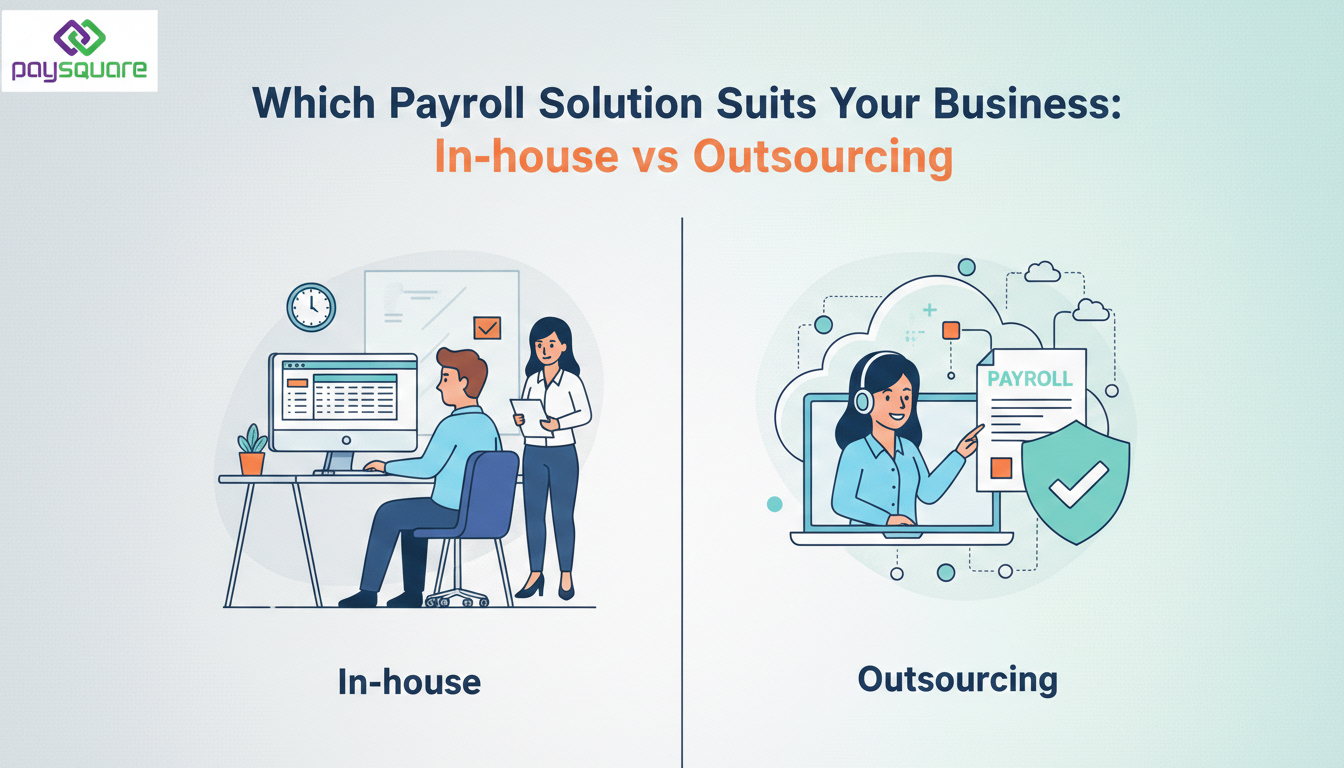
Filing so many forms and keeping a track of all of them (including changes or updates) can be a confusing task. This is why it is recommended that businesses use payroll outsourcing companies to manage their payroll system.