Payroll Management Best Practices
i. Data Security
In payroll management, data security is important to safeguard sensitive employee information such as salary details, bank account information, and personal identifiers. Best practices entail implementing robust data encryption methods, access controls, and regular security audits to prevent unauthorized access or data breaches. Utilizing secure payroll software and ensuring compliance with data protection guidelines such as HIPAA or GDPR further strengthens data security measures.
ii. Regular Audits
Conducting routine audits is essential to ensure accuracy, compliance and transparency in payroll processes. Internal audits should be performed periodically to review payroll transactions, tax calculations and compliance with regulatory requirements. Additionally, engaging external auditors for independent reviews validates payroll accuracy and regulatory compliance and identifies and rectifies errors or discrepancies promptly.
iii. Compliance Checks
Compliance checks are vital to ensure adherence to legal and regulatory requirements governing payroll processes. Being modernized and staying updated with the changes in tax laws and labour regulations is vital, ensuring timely adjustments to payroll processes. Implementing compliance checks within payroll software validates accuracy and adherence to legal requirements and reduces the risk of penalties or legal liabilities.
iv. Employee Self-Service Portals
Employee self-service portals empower employees to access and manage their payroll-related information independently, enhancing efficiency and reducing administrative overhead. By implementing user-friendly self-service portals, employees can view and download pay stubs, update personal information, and submit leave requests or expense claims. Providing training and support ensures employees utilise self-service portals effectively, which boosts employee satisfaction and engagement.
v. Automation
Automation streamlines payroll processes, reducing manual intervention, minimising errors, and enhancing efficiency. Best practices involve automating repetitive payroll tasks such as data entry, calculations, and reporting using payroll software or integrated HR systems. Leveraging automation technologies for payroll processing, tax filing, and compliance reporting improves the accuracy, scalability, and timeliness of payroll operations. Regularly reviewing and optimising automated processes ensures alignment with evolving business needs and regulatory requirements.
Emerging Trends in Payroll Management
i. Real-time payroll analytics and insights
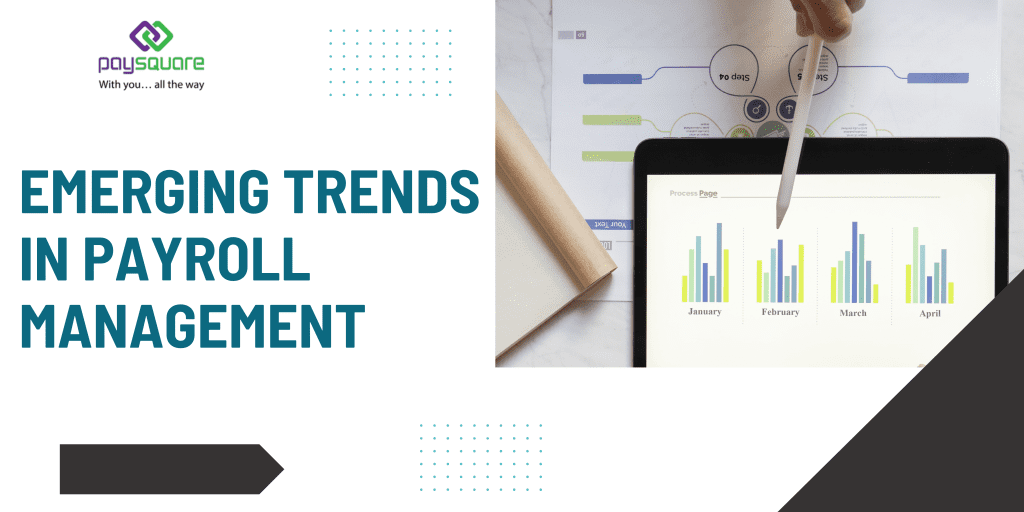
With the advancement of technology, real-time payroll analytics and insights have become a crucial trend in payroll management. Organisations are leveraging data analytics tools to gain actionable insights into payroll processes, such as payroll costs, employee compensation trends, and compliance risks. Real-time analytics empower organisations in making informed decisions promptly, optimising payroll processes, and mitigating risks effectively.
ii. AI and automation in payroll processing
Artificial Intelligence (AI) and automation are revolutionising payroll processing by streamlining repetitive tasks, enhancing accuracy, and reducing manual intervention. AI-powered payroll systems can automate data entry, payroll calculations, tax filings, and compliance reporting, saving time and resources for payroll professionals. Also, AI algorithms analyse historical payroll data to predict future trends, identify anomalies, and improve payroll forecasting accuracy.
iii. Remote work and flexible payroll solutions
The rise of remote work has encouraged organisations to adopt flexible payroll solutions tailored to accommodate diverse work arrangements. Flexible payroll systems enable seamless processing of payroll for remote employees, freelancers, and contractors, irrespective of their location or working hours. Cloud-based payroll platforms facilitate remote access, collaboration, and real-time updates, which ensure payroll runs seamlessly and compliance is achieved in a distributed workforce environment.
iv. Payroll data and cybersecurity
As payroll data contains sensitive employee information, ensuring vigorous cybersecurity measures to protect against data breaches and cyber threats is paramount. Emerging trends in payroll management emphasise the implementation of advanced cybersecurity protocols, encryption techniques and multi-factor authentication to safeguard payroll data integrity and confidentiality. Regular security audits and compliance checks help identify vulnerabilities and strengthen defences against evolving cyber threats.
v. Financial wellness programs integrated with payroll
Organisations are increasingly integrating financial wellness programs with payroll to support employees' holistic well-being and financial stability. These programs offer personalised financial education, budgeting tools, debt management resources, and retirement planning assistance to employees through payroll channels. By promoting financial literacy and empowering employees to achieve their financial goals, organisations create a more engaged, productive, and loyal workforce.
CONCLUSION
Payroll management is the systematic administration of employee compensation, which ensures accurate disbursement of wages, compliance with legal regulations, and employee satisfaction. It plays a vital role in maintaining organisational efficiency, financial stability, and legal compliance. By utilising technology, automation, and data-driven insights, organisations can optimise payroll processes, mitigate risks, and enhance employee engagement and retention.
Staying updated of emerging trends such as real-time analytics, AI-driven automation, remote work solutions, cybersecurity measures and financial wellness programs is essential for modern payroll management. These trends reflect a shift towards data-driven, employee-centric practices, emphasising the importance of agility, adaptability and innovation in payroll operations. By embracing these trends and adhering to statutory compliance guidelines, organisations can navigate the evolving landscape of payroll management effectively and drive sustainable growth and success.