Managing payroll is not just about paying employees on time; it’s also about ensuring full compliance with labour laws, tax regulations, and statutory requirements. Failure to maintain proper Payroll compliance can lead to significant financial penalties, legal issues, and reputational damage for any organization. Understanding the impact of non-compliance in payroll is essential for businesses that aim to maintain transparency, trust, and operational efficiency.
Understanding Payroll Compliance
Payroll compliance means following all the legal and regulatory requirements related to employee compensation, taxation, benefits, and statutory contributions. This includes accurately calculating wages, deducting taxes, depositing provident fund (PF) and employee state insurance (ESI), and filing returns within the prescribed timelines.
When a business neglects these responsibilities, even unintentionally, it risks non-compliance, which can lead to audits, penalties, and employee dissatisfaction.
1. Financial Penalties and Fines
One of the most immediate and tangible consequences of payroll non-compliance is financial penalties. Regulatory bodies in India, such as the Income Tax Department, EPFO, and ESIC, impose heavy fines for delayed or incorrect filings.
For example:
- Late deposit of TDS (Tax Deducted at Source) can attract interest at 1.5% per month.
- Failure to remit Provident Fund contributions can lead to penalties up to 25% of the unpaid amount.
- Misreporting or non-reporting of employee data can trigger audits and additional penalties.
These costs can add up quickly and severely affect a company’s cash flow, especially for small and mid-sized businesses.
2. Legal Liabilities and Audits
When companies repeatedly fail to comply, they risk legal action from government authorities. For instance, under the Payment of Wages Act or Minimum Wages Act, employers may face prosecution for underpayment or delayed payment.
Additionally, non-compliance with income tax regulations, such as incorrect PAN reporting or delayed return filing, can attract government audits. These audits are time-consuming and can result in further penalties or even suspension of business operations in extreme cases.
3. Employee Dissatisfaction and Loss of Trust
Employees depend on accurate and timely salary payments for their financial stability. Any delay or discrepancy, such as incorrect tax deductions, missing benefits, or unpaid overtime, can lead to employee frustration and loss of morale.
In the long term, this may result in:
- Higher attrition rates
- Damage to employer branding
- Decreased productivity and engagement
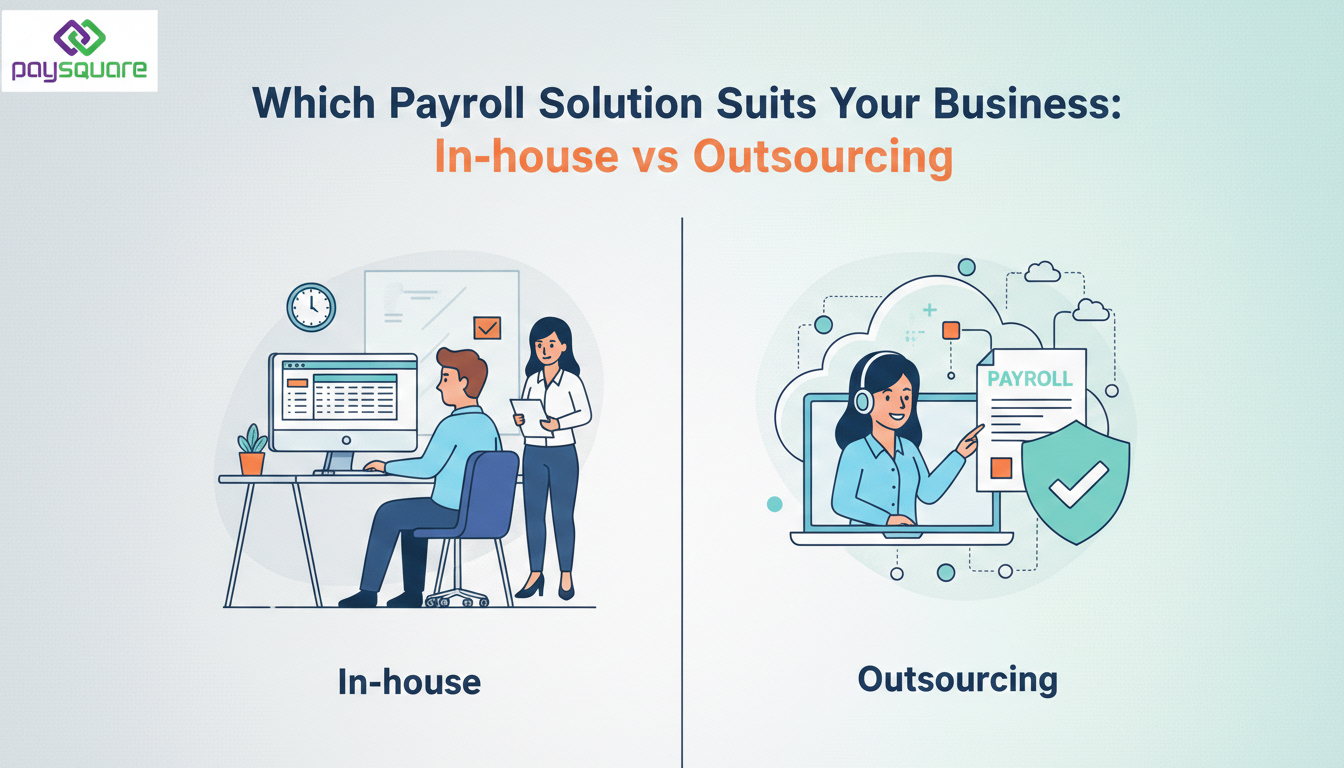
A compliant outsourcing payroll services ensures that employees are paid correctly and on time, which builds trust and enhances workplace satisfaction.
4. Impact on Business Reputation
Reputation is one of the most valuable assets a business holds. If a company becomes known for non-compliance in payroll, it can suffer a serious reputational hit, not just among employees but also with potential clients, investors, and stakeholders.
Word spreads quickly in professional networks. A history of delayed salary payments or legal disputes related to payroll can discourage top talent from joining and affect partnerships or investor confidence.
5. Disruption in Operations
Payroll non-compliance often triggers investigations, audits, or regulatory actions. These can interrupt business operations as management and HR teams are forced to divert resources to address compliance issues instead of focusing on growth and productivity.
The result?
- Lost time in responding to government notices
- Additional costs for legal and accounting support
- Stress on internal teams managing payroll corrections
This operational inefficiency can create a ripple effect throughout the organisation.
6. Impact on Taxation and Financial Reporting
Accurate payroll data is a key part of a company’s financial reporting. Non-compliance can lead to inconsistencies in accounting records, which can further complicate tax filings and audits.
Errors in payroll accounting can cause:
- Overstated or understated expenses
- Incorrect profit calculations
- Difficulty in securing loans or funding due to unreliable financial statements
Maintaining compliant payroll processes ensures transparency and accuracy, both of which are essential for healthy business growth.
Challenges in Multi-Country Payroll Compliance
For companies operating across multiple countries, payroll compliance becomes even more complex. Each country has its own tax laws, minimum wage regulations, and employment benefits, which need to be carefully managed.
A small oversight in one country, such as failing to comply with data protection laws (like GDPR in Europe), can lead to hefty penalties and loss of business licenses.
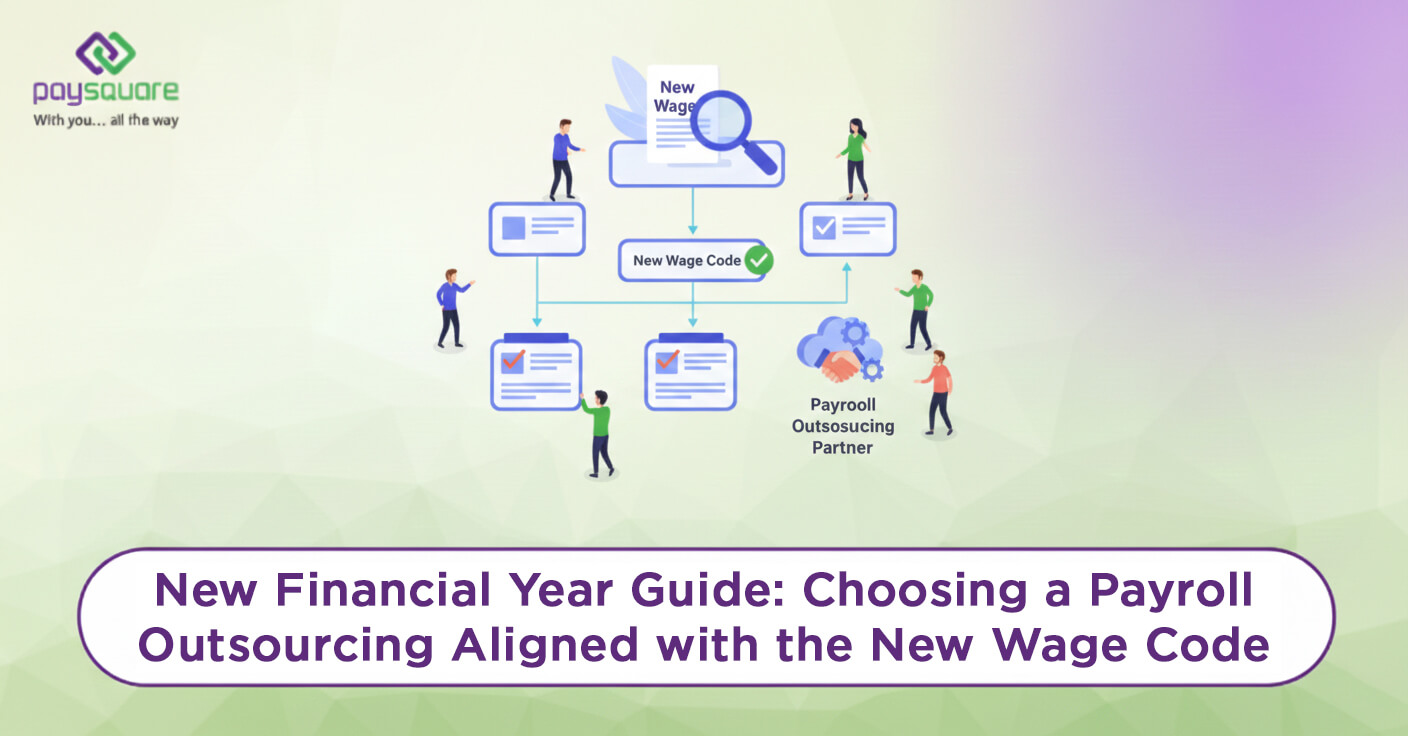
That’s why many global companies rely on payroll outsourcing partners who have the expertise to handle compliance across jurisdictions efficiently.
Long-Term Business Risks
Ignoring payroll compliance is like building a house on a weak foundation; problems will eventually surface. Over time, non-compliance can lead to:
- Legal restrictions on business expansion
- Difficulty in retaining clients due to compliance concerns
- Financial instability from recurring fines
Furthermore, during mergers or acquisitions, companies with poor compliance records often lose valuation or face extended due diligence, which can delay or derail business deals.
[caption id="attachment_29476" align="aligncenter" width="1200"]
 How to Avoid Payroll Non-Compliance[/caption]
How to Avoid Payroll Non-Compliance
To minimise risks, businesses should implement proactive measures:
- Automate payroll systems: Use advanced payroll services to ensure accurate calculations and timely filings.
- Stay updated with regulations: Payroll laws in India often change; ensure your HR and finance teams are trained regularly.
- Partner with experts: Collaborating with a trusted payroll outsourcing services provider helps reduce compliance risks and ensures timely processing.
- Conduct regular audits: Internal audits help detect errors early and prevent penalties.
- Maintain transparent records: Keep clear documentation of employee payments, benefits, and tax submissions to ensure accuracy and compliance.
A robust and compliant payroll process doesn’t just prevent penalties, it builds credibility and supports sustainable growth.
Partner with Paysquare for Complete Payroll Compliance
Managing compliance in payroll can be challenging, but with the right partner, it doesn’t have to be. Paysquare, a trusted leader in payroll outsourcing and compliance management, ensures that your payroll runs smoothly, accurately, and fully in line with Indian labour laws.
With cutting-edge technology, a dedicated support team, and over two decades of expertise, Paysquare helps businesses stay compliant while focusing on what truly matters: growth and people.
Choose Paysquare for hassle-free, compliant payroll management today.
Conclusion
The impact of non-compliance in payroll goes beyond fines or late fees. It affects every layer of a business, from finances and employee morale to reputation and long-term stability. In today’s regulatory environment, compliance is not optional; it’s a cornerstone of ethical and efficient business operations.
By adopting technology-driven payroll solutions and collaborating with reliable outsourcing experts, companies can ensure accuracy, transparency, and peace of mind.