Payroll Automation
What is Payroll Automation?
Did you know that on an average payroll accuracy is just 78%? This clearly shows how important it is for businesses to automate their payroll services. Accuracy in payroll processing is essential in not just employee satisfaction but also employee retention, legal and regulatory obligation. This reveals the significance of automation in payroll management services for all businesses.
Payroll automation can simplify and manage employee payments for your business. It also helps to cut down on manual labor, improve tax filings, and enhance calculation accuracy. In fact, automation in procurement, accounting, and payroll has allowed business finance departments to save 30% of their costs.
Hence, payroll automation can be said to be the process of removing manual duties from the payroll process. This is made possible by the use of contemporary technology and payroll automation tools, which minimize the need for human involvement in payroll processing. Processes such as calculation of net and gross pay, tax deductions, compiling the information required for payroll, paying employees, generating payroll records etc. can all be completed by an automated payroll system.
How Can Payroll Automation Benefit Your Organization?
Automation is an incredibly powerful tool, and businesses should exploit it to improve their operations. Here are some ways in which payroll automation can benefit your organization:
- Improved Efficiency
Payroll procedures are far more efficient when they are automated. Conventional manual payroll systems need a lot of data entering and cross-checking, which takes time and increases the risk of error. Payroll experts are able to concentrate on more strategic duties by using automation to automate tasks like calculating wages, tax deductions, and benefit calculations. The administrative load on HR departments is lessened by this switch from manual to automated procedures, allowing them to handle payroll more quickly and accurately.
- Lower Costs
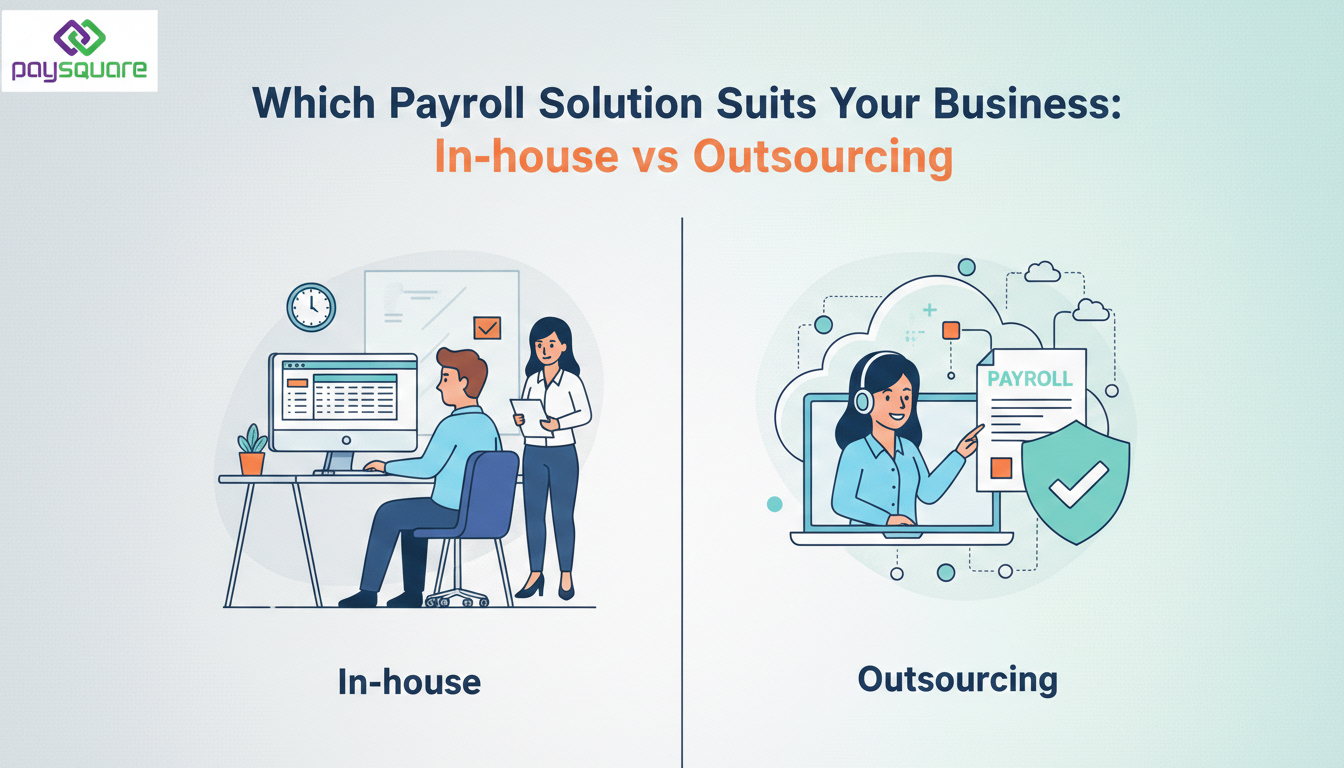
Businesses can save big amount of money by implementing an automated payroll system. Since fewer manual tasks need to be executed, less time is spent processing payroll, which lowers labor expenses. Furthermore, automated solutions reduce the amount of paper-based procedures that are required, which lowers the expenses of document management, printing, and storage. These savings can be gradually applied to other corporate divisions, encouraging additional expansion and innovation. Outsourcing to third-party payroll companies ensures that businesses don't have to invest heavily in various automation tools, software, and processes.
- Fewer Errors and Reduced Opportunity for Error
Manual payroll processes are highly vulnerable to human error, which can result in incorrect payments, compliance issues, and employee dissatisfaction. Automation reduces the likelihood of errors by using precise algorithms and consistent data entry methods. This guarantees accurate calculations and payroll compliance with current tax laws and regulations. Organizations can save money on fines and preserve their reputation with regulators and staff by reducing the number of errors they make. This is why businesses like to outsource to reliable payroll management outsourcing services.
- Faster Processing
Automated payroll systems process data much faster than manual methods. With the ability to instantly calculate wages, deductions, and taxes, organizations can complete payroll runs in a fraction of the time it would take manually. This speed is particularly beneficial during peak periods or when processing payroll for a large number of employees. Faster processing times also mean that employees receive their paychecks on time which builds trust and satisfaction.
- Data Security
This is a significant concern for any organization, especially when handling sensitive payroll information. Automated payroll systems offer enhanced security features, such as encryption, access controls and secure data storage. These features protect employee data from unauthorized access and cyber threats. By protecting payroll data, businesses can ensure compliance with data protection regulations while maintaining employee trust.
- Make Sure Employees are Paid Correctly and on Time
Timely and accurate payment is fundamental to employee satisfaction and retention. Automated payroll systems confirm that employees are paid correctly and on schedule, eliminating the risk of late or incorrect payments. This reliability builds trust and confidence among employees and contributes to a positive workplace culture. It also helps in maintaining compliance with labour laws that mandate timely payment of wages.
- Allows Employees to Update Their Information Easily
Modern payroll systems often include self-service portals that allow employees to update their personal and financial information. This feature allows employees to handle their own data, such as banking details, tax information and contact addresses, without having to go through HR. This not only saves time for the HR department but also ensures that employee information is always up-to-date. A good employee payroll management system offers such services to its employees.
- Compliance with Regulations
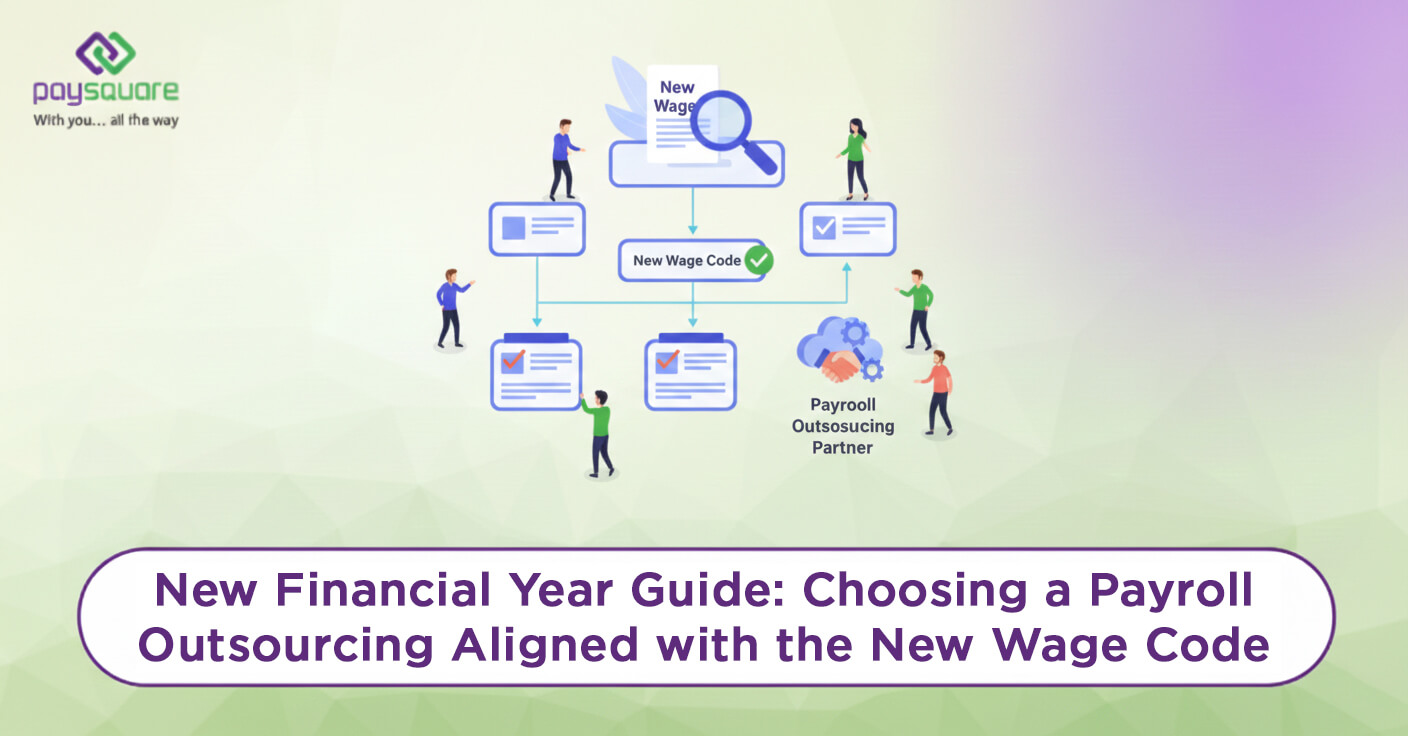
Payroll automation helps organizations stay compliant with various tax and labor laws and regulations. Automated systems are frequently updated with the latest legal requirements, ensuring that payroll processing aligns with current standards. This minimizes the possibility of non-compliance penalties and audits, so even employers know that their business will run smoothly.
- Enhanced Reporting and Analytics
Automated payroll systems offer advanced reporting and analytics capabilities. Organizations can generate detailed reports on payroll expenses, tax liabilities, and workforce trends. These insights help make informed decisions regarding budget allocation, workforce planning, and financial forecasting. Enhanced reporting also helps in audit preparation and compliance reporting.
- Scalability
As organizations grow, their payroll needs become more complex. Automated payroll systems are scalable, allowing them to accommodate an increasing number of employees and more intricate payroll structures. This scalability confirms that the payroll system can grow alongside the organization, providing consistent and reliable service regardless of the size of the workforce.