Introduction
Even when working in a regular work environment, a payroll department oversees many intricate tasks. These tasks tend to get even more complicated when they have to take care of several regions. An organization's payroll department that takes care of multi-regional payroll is often faced with many challenges. However, the challenges must be dealt with efficiently to ensure employee satisfaction and compliance and streamline operations in all the regions the business is running in, as it helps create a positive work culture and upholds the name of the business in this competitive world. Let us understand more about overcoming these risks of multi-regional payroll services.
Key strategies to mitigate multi-regional payroll complexity
Implement a few effective strategies that can help take care of various problems that generally arise while managing payroll and compliance in various regions. Mentioned below are a few strategies
- Centralized Management of Data : Having access to data in a single place helps in its smooth management. When payroll data from different regions in which the business is operating are brought together in a single platform, it helps maintain consistency. Centralized data management doesn't just simplify the process but it also reduces the risk of erroneous calculations or data entries and makes sure that local compliance across borders is met.
- Conducting Regular Audits and Reviews : It is important to conduct regular payroll checks and reviews because they help detect mistakes and ensure compliance with local laws and tax rules. These checks find errors early, lowering the chance of fines and penalties. Reviews also keep businesses informed about changes in local rules and ensure payroll processes stay compliant.
- Data Consolidation : Consolidating payroll data across different regions helps businesses get a complete view of their global workforce. This makes reporting more accurate and simplifies tax filings. It also helps businesses make important decisions, allows them to spot trends, and efficiently addresses any regional differences. This finally helps improve payroll processes and boost business efficiency.
- Streamlining the Processes : Standardizing payroll processes across regions can make things much easier for businesses. When they use the same steps for data entry and calculations and compliance, they reduce the chances of mistakes and cut down on manual work. Using automation tools and cloud payroll systems make things even smoother as they increase both accuracy and efficiency. Also, businesses can improve speed and reduce delays by reducing old processes and using technology that can take care of multiple regions at once.
What are Common Challenges in Payroll?
Some challenges that businesses often face in managing payroll include:
- Compliance issues with employment law and tax legislation : Keeping up with different employment laws and tax rules can be tough. Laws change often and vary by region, so it's important to stay updated to avoid fines and legal problems.
- Lack of confidentiality : Protecting employees' personal information is extremely important. If payroll data is not kept safe and private, it can lead to identity theft and other security issues.
- Not backing up payroll data : Failing to make backups of payroll data can be very risky. If something goes wrong or data is lost, it can be difficult to recover and this can cause delays and errors.
- Managing employee information and timesheets : Keeping track of all employee details and timesheets can be complicated. Mistakes or delays in managing this information can lead to payment issues and confusion.
- Miscalculating employees’ pay : Errors in calculating pay can lead to underpayment or overpayment. This can cause frustration among employees and create trust issues.
- Dependence on multiple payroll input sources : Relying on different sources for payroll information can lead to inconsistencies. It is important to have a unified system to ensure accuracy and efficiency in payroll processing.
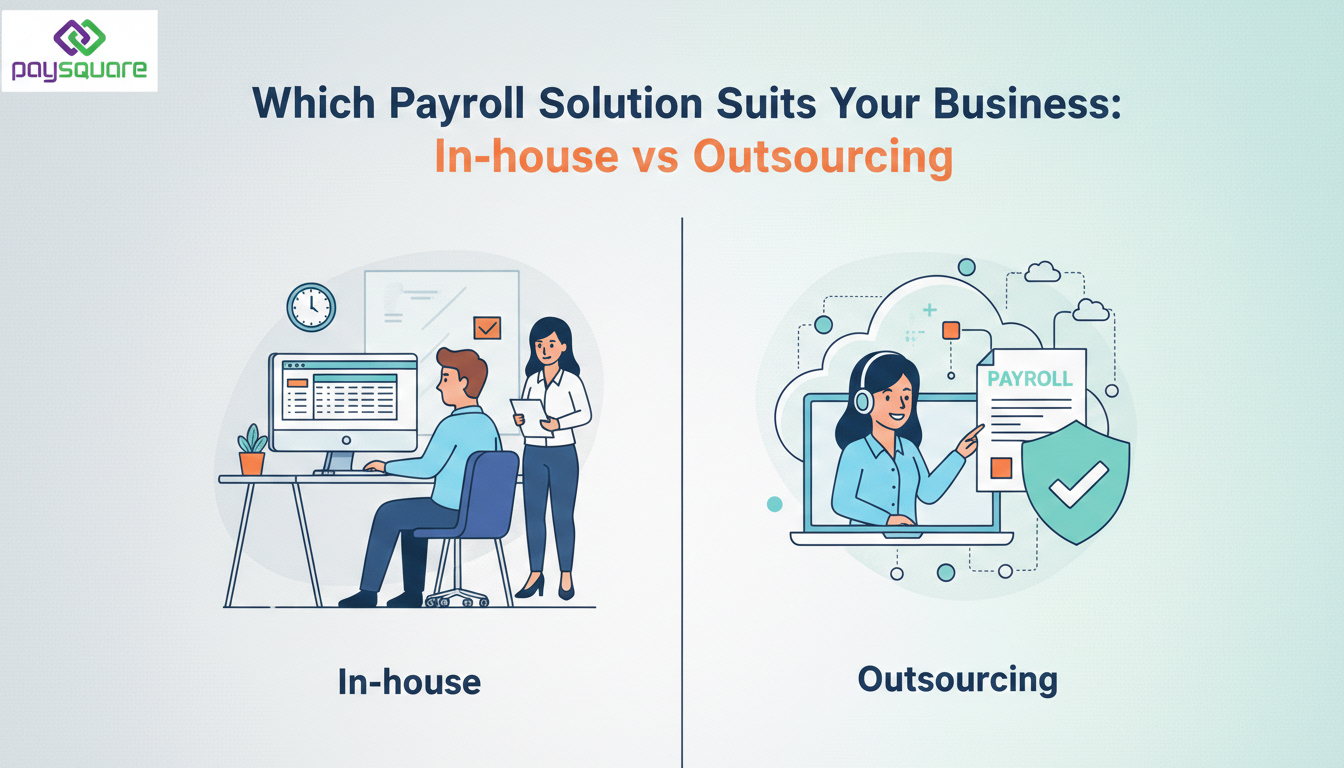
Third-party payroll providers can make managing payroll much easier for businesses. These services offer expert help keeping up with complex laws and tax rules. By using payroll outsourcing companies, businesses can take advantage of their advanced technology and smooth processes. This helps reduce mistakes and makes everything run more efficiently. Companies can focus on their main work while letting experts handle payroll and keep data safe and accurate.
Overcoming the Risks of Multi-Regional Payroll Complexity
- Understanding Multi-Regional Payroll Complexity : Managing payroll in different regions can be complicated. Each region has its own laws and tax rules, and keeping track of these can be challenging. Different currencies and languages add to the complexity. Knowing these issues helps you plan better and avoid mistakes.
- Assessing Your Current Payroll System : Start by looking at how your current payroll system works. Check if it handles different regions well and meets all local laws. Identify any problems or gaps. This step helps you understand what needs to change and how to make improvements.
- Implementing a Centralized Payroll System : Using a single payroll system for all regions can make things easier. It gathers all payroll data in one place which helps in managing it better. This system keeps everything consistent and makes sure you follow all local rules. It also helps avoid mistakes and makes reporting simpler.
- Leveraging Technology and Automation : Technology can simplify payroll tasks. Using automated systems reduces manual work and errors. Automated tools handle calculations and tax filings quickly and accurately, saving time and ensuring everything is done right. Also, consider payroll outsourcing services to get expert help with managing payroll and compliance.
- Navigating Regulatory Compliance : Staying compliant with local laws and tax rules is crucial. Make sure your payroll system is updated with the latest regulations from each region. Regularly check for any changes in laws to avoid fines. Using payroll management services can help ensure that you stay on top of compliance issues. Keeping track of these rules helps ensure that your payroll process runs smoothly and avoids legal issues.
By following these steps and considering payroll processing services, you can handle the complexities of multi-regional payroll more effectively. Using a centralized system and technology helps manage data better and stay compliant with local laws.
Conclusion
It is important to start by assessing your current payroll system to understand how well it handles multi-regional complexities. Look for any issues or gaps that may affect accuracy or compliance. Once you know what needs to be corrected, consider implementing solutions to address these challenges.
One effective approach is using a centralized payroll system. This helps manage all payroll data from different regions in one place and ensures consistency. Leveraging technology and automation can also simplify tasks by reducing manual work and minimizing errors. Using payroll outsourcing services can provide expert help and ensure compliance with local laws.
Additionally, keeping track of changes in regulations and using payroll management services can help maintain accurate and compliant payroll processes. By taking these steps, you can handle the complexities of managing payroll across different regions more efficiently and avoid common pitfalls.