Introduction of Payroll Outsourcing
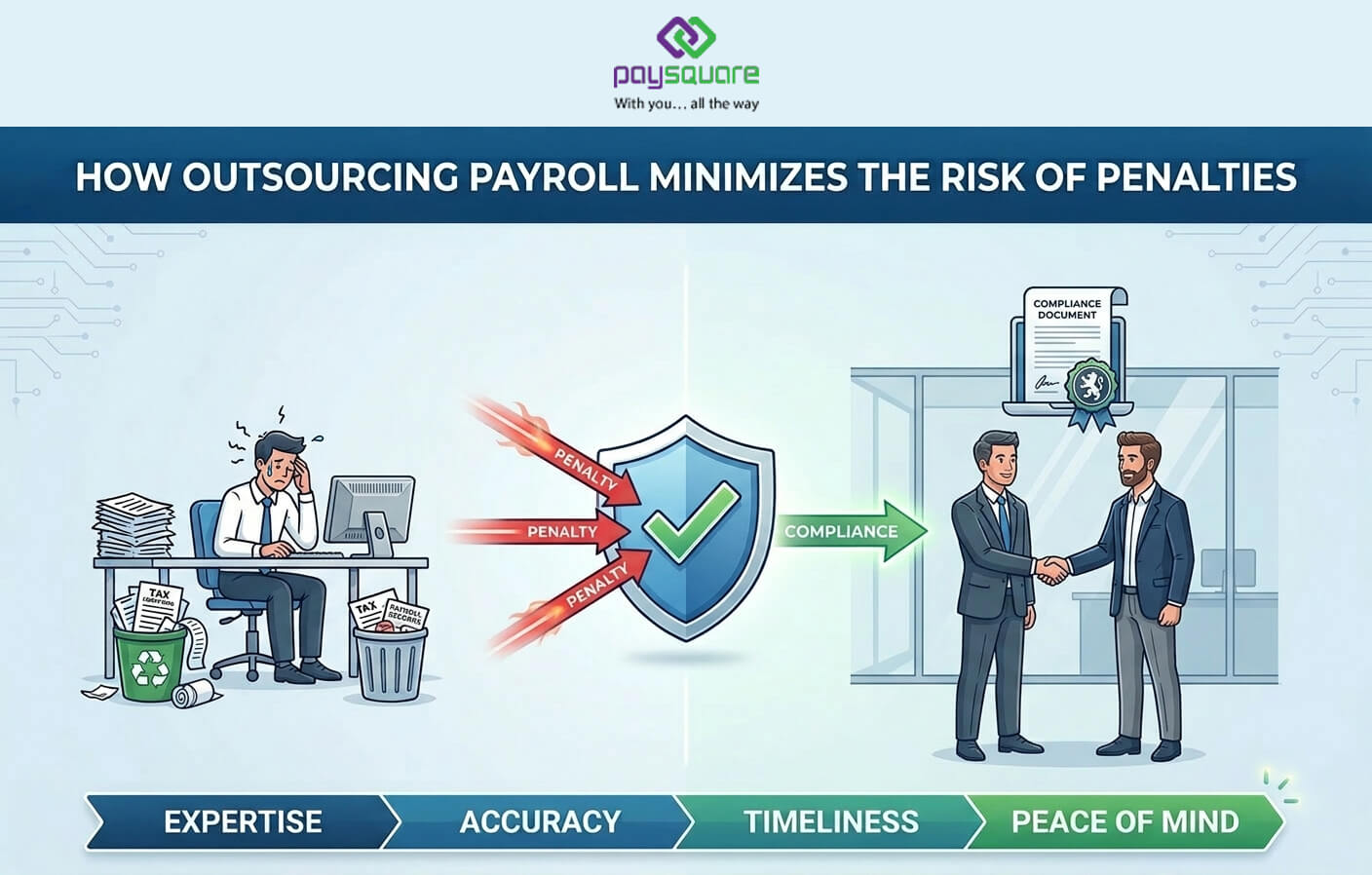
Outsourcing payroll seems extremely important in industries such as medicine and pharmaceuticals, which require strict regulatory compliance and management of employee remuneration may pose a significant challenge. The shifting variables in labor and tax law and the classification of employees require considerable detail. Mistakes in payroll management services have far-reaching ramifications in the form of lost revenue, poor human resources relationships and more damaging corporate reputation. This is where payroll outsourcing services are beneficial.
If they cannot avoid paying penalties, healthcare and pharma organizations can cut operational costs by outsourcing payroll management to experts. Every payroll service provider performs extensive research to ensure that all changes in the legislation are up-to-date. These professionals take care of complex issues such as the agreement of taxes, deductions for employees’ benefits and submission of reports, relieving internal departments from these responsibilities. Healthcare and pharmaceutical firms will be able to channel resources into more productive areas by outsourcing payroll. It improves even the confidentiality and security of data, which are fundamental issues regarding trust in such industries, and operational excellence.
Understanding Compliance in Healthcare and Pharma Payroll
What is Compliance in Payroll?
Payroll compliance refers to applicable legal standards, rules, and policies concerned with employee remuneration, tax returns and benefits intake. In the healthcare and pharmaceutical sectors, this includes complying with labor standards, observing specific industry regulations such as HIPAA (where data privacy is a concern) and meeting tax and employment obligations in different territories.
Common Payroll Compliance Challenges
The processes entailed in complying with healthcare and pharma payroll regulations are quite complex:
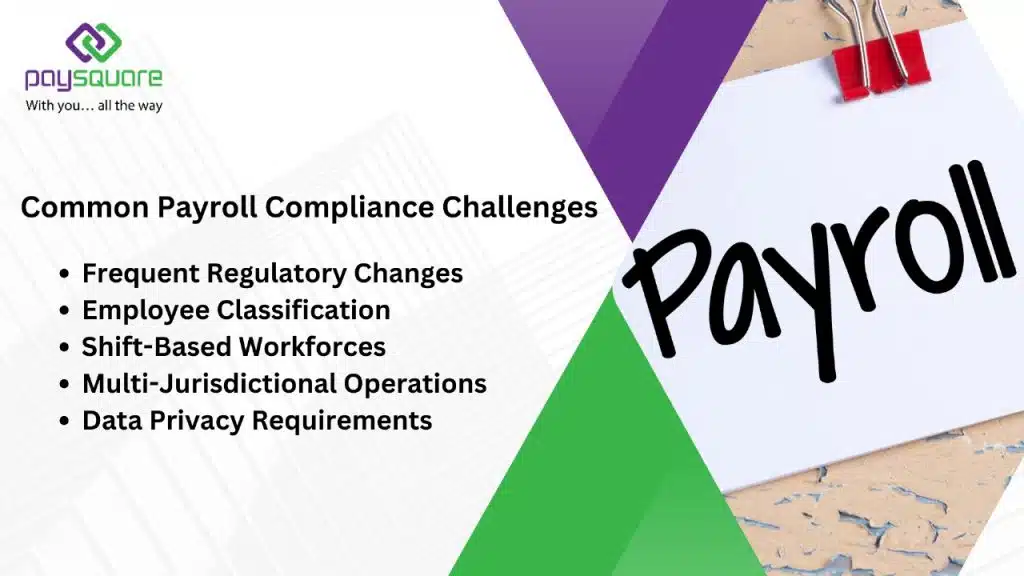
- Frequent Regulatory Changes: Labor laws and tax laws usually do not remain static, and this makes it hard and complex to update and remain compliant.
- Employee Classification: Treating employees who are contractors as full-time employees creates a misclassification that can invite audits and penalties.
- Shift-Based Workforces: Complications of payroll, particularly those involving shift-based or part-time workers, especially on overtime rules.
- Multi-Jurisdictional Operations: Expansion across several jurisdictions leads to increasing complexity regarding local state and international guidelines to be followed.
- Data Privacy Requirements: For compliance, the maintenance of confidentiality as well as the protection of sensitive payroll and employee information is also important.
The Importance of Compliance in the Pharma Industry
The pharmaceutical sector is burdened with compliance obligations which, if adhered to, serve to achieve public health protection as well as the sector’s ethical aspirations. In line with the principles underpinning regulatory frameworks, the risks linked to the processes of manufacturing and marketing medicines are reduced to protect patients and consumers in the first instance from any harm.
The very nature of commitment to compliance guarantees the mutual supremacy of the image of pharmaceutical businesses and the industry on a larger scale. Undoubtedly, a breach of compliance has the thorny potential of engendering a widespread lack of confidence, thus eroding the trust of the public towards the companies and their goods. Apart from doing so, through full compliance with ethical and legal standards and regulatory control, experts/practitioners, and the public can believe the sector is responsible and is trustworthy as such.
Reach also guarantees that irreparable damage will not be incurred by failing to adhere to the quality standard. It ensures that there are defined measures for the production of medications, which must be respected for the production of the medications to retain their level of effectiveness and safety. This, in extension, ensures that payroll companies can adhere to universal standards of quality in the products they produce, thus making it easier for them to penetrate the international markets. The financial considerations about compliance are detrimental.
Compliance Risks in Payroll Management for Healthcare and Pharma Companies
- Delayed Approvals from Regulatory Bodies: Blunders in payroll compliance such as taxation mistakes or late filings attract the interest of regulators, which causes delays in the granting of requisite operational authorizations, thus affecting organizational operational effectiveness.
- Non-compliance with Labeling and Advertising Requirements: If any employee is compensated for promotional work or even sales that do not correspond with the required level, there may be contraventions of advertising laws, and penalties will follow.
- Failing to Adhere to Ethical Guidelines in Clinical Trials: Clashing issues of offering inappropriate salary payments to the clinical trial staff further raise ethical issues, making it prone to failure of trial deeds and compliance.
- Inaccuracies in Data in Clinical Trials: Non-compliance in the payment of trial personnel may raise potential issues concerning data integrity and reliability that may be hurdles during compliance verification processes.
- Failing to Adhere to Patent Compliance: Employees who manage intellectual property may be improperly compensated, creating the possibility for patent compliance to be neglected and resulting in legal and financial trouble.
- Non-compliance with Environmental and Safety Regulations: Errors in employee compensation relating to safety and environmental staff may undermine compliance with pertinent legislation, leaving the companies at risk of fines and business hazards.
- Non-adherence to Vendor Compliance and Ineffective Monitoring of Drugs: Failure to pay vendors or poor management of staff monitoring duty in ensuring drug compliance may result in a breach of the regulations.
Conclusion
All parameters of the healthcare and pharmaceutical industries are based on compliance across the board, occupational health, ethics, and quality of the product. All industries have to follow certain regulations, ranging from compliance with labor laws and tax affairs to safeguarding privacy as well as environmental issues. Breach of these sectors attracts dire consequences of penalties, litigations, and loss of reputation.
Payroll outsourcing limits any of these compliance exposures. The outsourced companies manage tax compliance, employment law compliance, and information security management as part of their core business while ensuring that they are compliant with current laws.
By reducing administrative tasks related to payroll outsourcing, organizations can concentrate on providing quality services to patients and innovating in the medical field. It improves the organization's overall efficiency by ensuring that the payroll is processed accurately and within the appropriate period and reduces the likelihood of compliance violations.
FAQs
- What role do payroll outsourcing companies in India play in helping healthcare and pharma industries manage compliance risks effectively?
Payroll outsourcing companies extend their services to provide knowledge of periodic changes in policies, timely payment of taxes, and labor law compliance to the healthcare and pharma industries. This allows them to manage and minimize compliance risks, cut excess punitive costs and concentrate on core functions within the company without losing integrity and legal boundaries.
- How can payroll services enhance compliance and operational efficiency in the healthcare and pharma sectors through outsourcing payroll?
Payroll services through outsourcing enhance compliance and efficiency through efficient and timely filing and the automation of calculations. They take care of complex payroll responsibilities such as tax obligations and employee classifications, enabling internal service providers to direct their energies on critical activities while minimizing mistakes and remaining compliant.
- In what ways do payroll management services from payroll companies contribute to reducing compliance risks in the healthcare and pharmaceutical industries?
Payroll management services foster compliance management by ensuring up-to-date record-keeping, timely remittance of tax obligations, and the appropriate employment of labor law requirements to guide the payroll process. They immensely help organizations in meeting the many challenging requirements from the authorities to avert mistakes.
- What are the benefits of utilizing outsourcing payroll services provided by payroll outsourcing companies to ensure compliance in the healthcare and pharma industries?
Outsourcing payroll services provides advantages including tax law compliance assurance, decreased administrative burden, confidentiality, and up-to-date changes in regulations. Such services enhance effectiveness, minimize risk, and provide healthcare and pharma companies the opportunity to concentrate on the provision of quality care and innovation.
- How do payroll processing services offered by payroll companies in India assist healthcare and pharma organizations in navigating complex compliance challenges?
Indian payroll service providers help healthcare and pharma organizations effectively meet tax obligations, employee categorizations, and other labor legislation. They guarantee the accuracy of payroll operations, deliver important legal updates, and lower risks, therefore making business in highly regulated areas manageable.