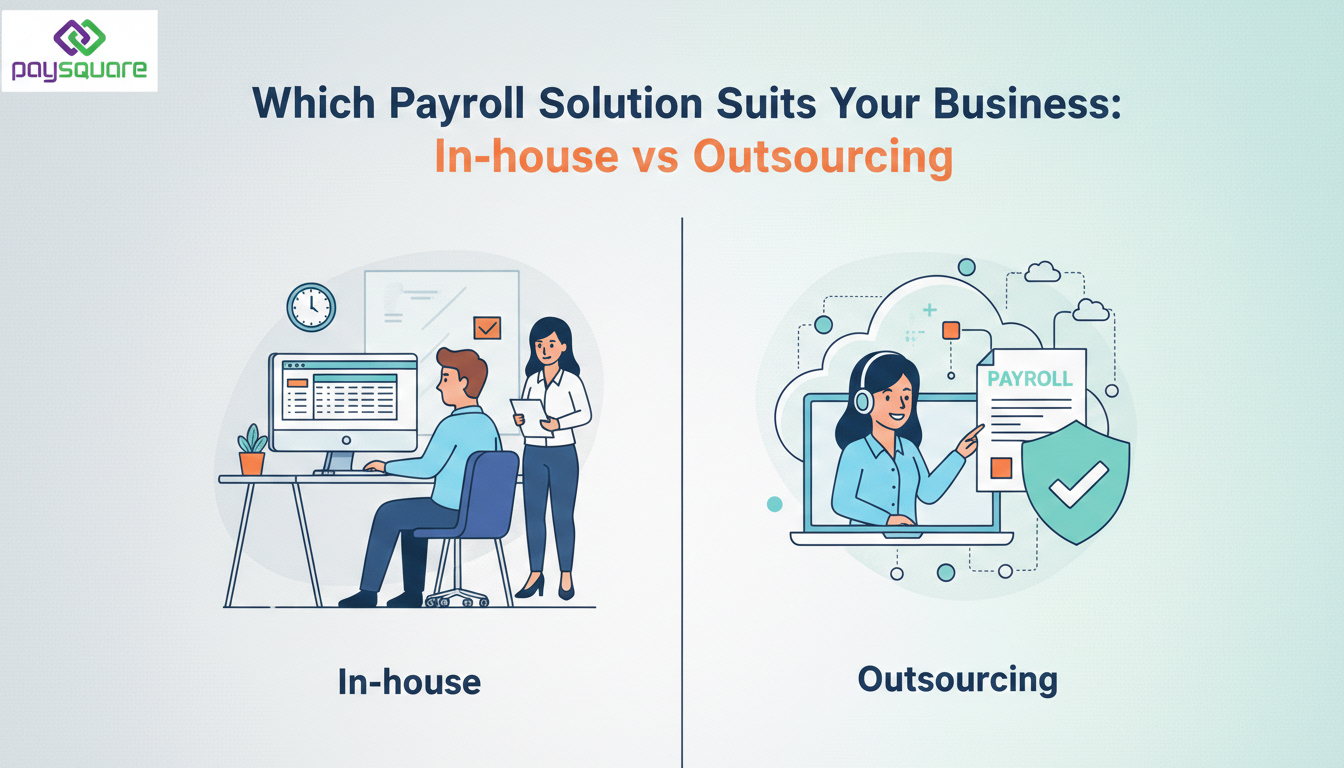
Efficient payroll management systems today integrate automated calculations, tax filing, and employee self-service portals, ensuring accuracy, security, and flexibility. These systems empower businesses with real-time analytics and seamless integration which enhances operational efficiency and compliance. Payroll service providers offer some very interesting features if businesses choose to outsource to them. Some features to look for include:
- Compliance with Local Regulations – Ensures adherence to specific labor laws and tax regulations for accurate payroll processing and reporting, minimizing legal risks and penalties.
- Time and Attendance Tracking – Integrates with systems to track employee work hours, facilitating accurate pay calculations and compliance with overtime and leave policies.
- Direct Deposit and Payment Options – Offers multiple payment methods such as direct deposit, paycards, or paper checks, enhancing flexibility and convenience for employees.
- Mobile Accessibility – Provides mobile-friendly interfaces or apps for employees to access pay stubs, update personal information, and submit time-off requests anytime, anywhere.
- Leave Management – Manages employee leave accruals, approvals, and balances within payroll systems, ensuring compliance with company policies and labor regulations.
- Audit Trail and Data Security – Maintains detailed audit logs and implements encryption protocols to safeguard sensitive payroll data and ensure confidentiality and regulatory compliance.
- Employee Benefits Administration – Integrates with benefits providers to manage enrolments, deductions, and compliance reporting, streamlines administration, and ensures accuracy.
- Real-Time Analytics and Dashboards – Provides customizable dashboards and reports with real-time payroll insights and enables informed decision-making and financial planning.
Scalability and Multi-Entity Support – Supports growing businesses with scalable solutions that handle payroll for multiple entities or locations and ensure consistency and compliance across operations.
Challenges of Payroll automation
Automation does come with some challenges, and some of them are mentioned below:
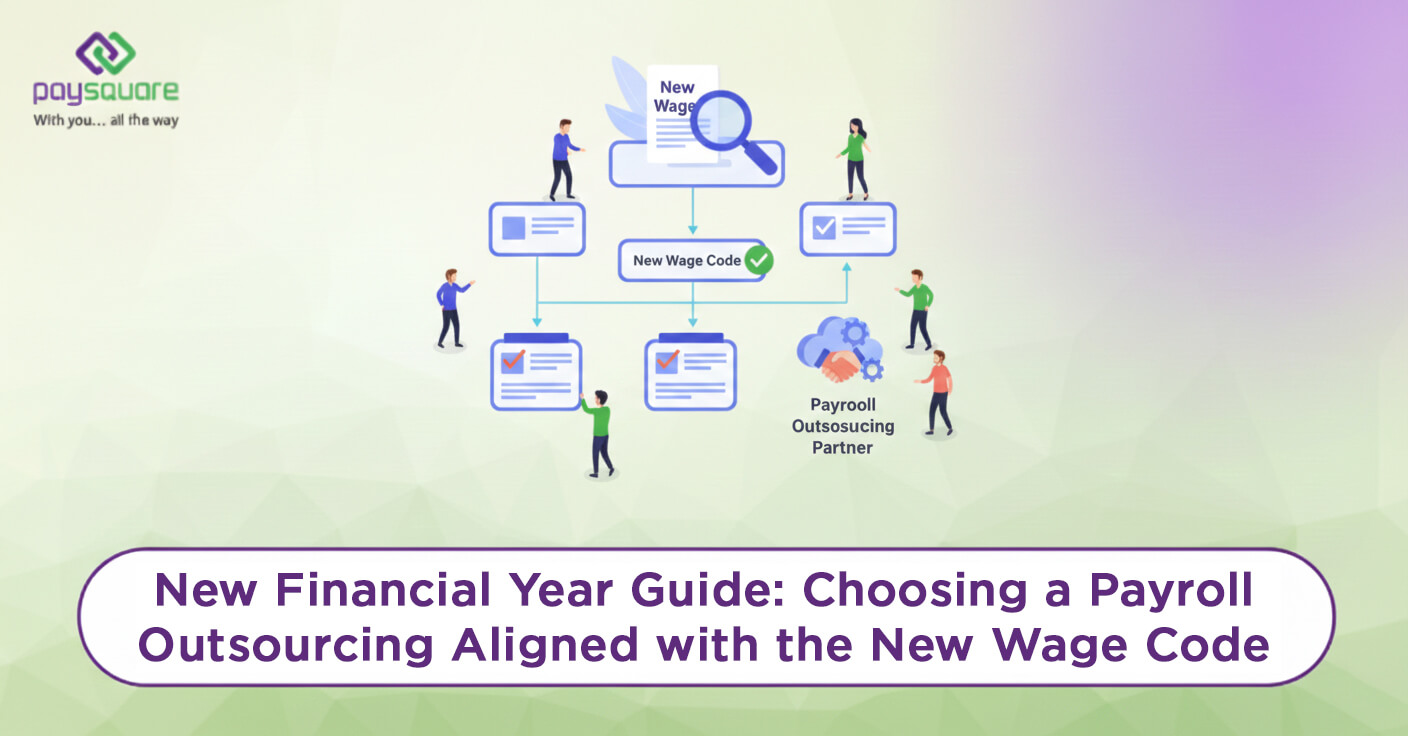
- Keeping Up with Changing Tax Laws
Adapting payroll systems to frequent changes in tax laws poses challenges in ensuring compliance and accuracy, which requires continuous updates and understanding of regulatory amendments.
- Ensuring Accuracy
Achieving precision in payroll calculations is challenging due to complexities in tax withholdings, deductions and benefits administration which can lead to errors impacting employee satisfaction and compliance.
- Integrating with Other Systems
Seamlessly integrating payroll with diverse HR, accounting, and timekeeping systems presents challenges in data synchronization, compatibility issues, and maintaining consistency across platforms.
- Dealing with Payroll Taxes
Managing payroll taxes involves navigating intricate regulations, timely filings, and accurate reporting to tax authorities and demands meticulous compliance to avoid penalties or audits.
- Dealing with Employee Benefits
Administering a variety of employee benefits like health insurance, retirement plans, and leave policies presents challenges in compliance, communication, and cost management.
- Handling Payroll for Remote Workers
Managing payroll for remote employees presents challenges in tracking hours accurately, ensuring compliance across different jurisdictions, and addressing logistical issues like currency conversions and banking.
- Managing Payroll for Multiple Pay Schedules
Balancing payroll for employees on different pay schedules (weekly, bi-weekly, monthly) poses challenges in scheduling, calculation accuracy, and ensuring payments align with labor laws and contracts.
- Maintaining Confidentiality
Safeguarding sensitive employee payroll data from unauthorized access and breaches presents challenges in implementing robust security measures, complying with data protection regulations and managing access controls.
Third-party payroll outsourcing represents a strategic solution to the challenges of payroll management. It offers expertise, compliance with regulations, and scalability, which allows organizations to streamline operations effectively and focus on their core business objectives.
65 Payroll Processing Challenges from the Employee Side
Payroll is directly connected to the employees, and when there are problems in the payroll, even the employees face issues. Some of these are as follows:
- Inaccurate Attendance Records – Errors in tracking and recording attendance can lead to incorrect calculation of work hours and subsequent wages.
- Incomplete or Delayed Submission of Documents—Employees who fail to provide necessary documents or do so late can delay the processing of payroll.
- Changes in Personal Details—Updates such as address changes or bank account modifications must be submitted in a timely manner to ensure accurate salary disbursement.
- Misunderstandings or Misinterpretations of Payroll Policies – Lack of clarity or miscommunication regarding company policies can lead to confusion about payroll calculations.
- Requests for Advance Payments – Employees may request early salary payments, impacting cash flow management and payroll scheduling.
How to Overcome These Challenges?
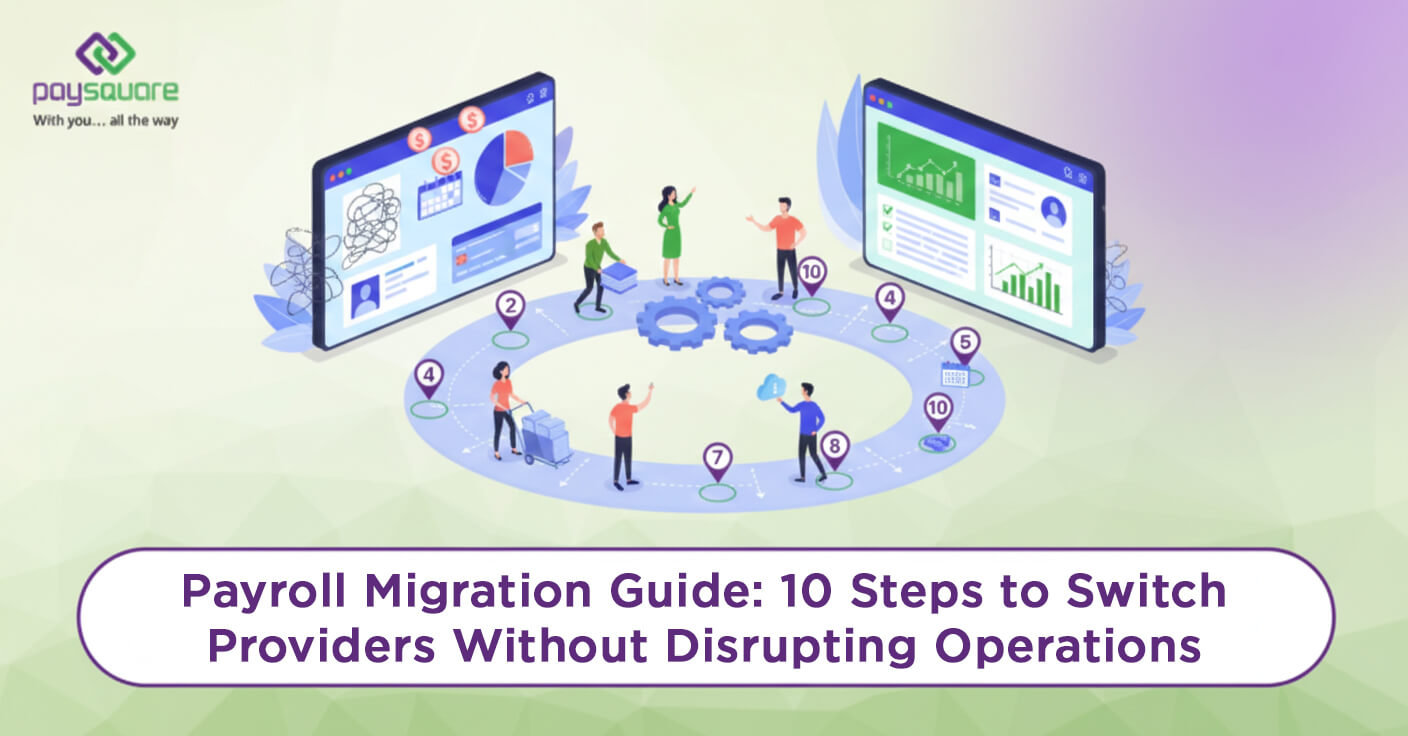
Outsourcing payroll to a third party service provider can effectively address various challenges faced in managing payroll internally. By leveraging their expertise in payroll processing, these payroll service providers automate payroll calculations to ensure accurate and timely payments. This solves issues caused by inaccurate attendance records and delayed document submissions.
They also manage statutory compliance across multiple jurisdictions, including staying updated with changing tax laws, thereby mitigating risks associated with penalties for late tax filings. Additionally, through services like leave management and international payroll, they streamline processes for tracking employee leaves and managing payroll across different countries which overcomes challenges related to managing remote workers and complying with diverse regulatory frameworks. This approach improves operational efficiency while also allowing organizations to emphasize more on the core business activities and maintaining confidentiality, security through robust systems and protocols.
How to Start Your HR Automation Journey
Starting your HR automation journey involves various key steps to ensure an even transition and effective implementation. Here's a guide to get started:
- Assess Current Processes – Start by evaluating your existing HR processes, including recruitment, onboarding, payroll, performance management, and employee records management. Identify pain points, inefficiencies, and areas where automation can add value.
- Set Clear Objectives—Define your goals and objectives for HR automation. Whether you want to improve efficiency, reduce costs, enhance employee experience, or ensure compliance, having clear objectives will guide your automation strategy.
- Research Automation Solutions – Explore HR automation software and solutions available in the market. Look for features that align with your objectives, such as applicant tracking systems (ATS), payroll software, employee self-service portals, and performance management tools.
- Choose the Right Tools – Select tools that best fit your organization’s size, industry, and specific needs. Consider factors like scalability, integration capabilities with existing systems, user-friendliness, security features, and customer support.
- Plan Implementation – Develop a detailed implementation plan outlining timelines, responsibilities and milestones. Allocate resources including budget and personnel needed or look for a reliable third party payroll provider.
- Training and Change Management – Provide comprehensive training to employees and HR staff on using the new automation tools. Address any concerns through effective change management strategies to ensure smooth adoption.
- Monitor and Evaluate – Continuously observe the performance of your HR automation systems. Track key metrics including processing time, error rates, user satisfaction and ROI. Use feedback to optimize processes and maximize benefits.
- Iterate and Improve – HR automation is an enduring journey. Review and update your automation strategy on a regular basis to incorporate new technologies, address evolving business requirements to stay competitive in the market.
Need expert help to select the right Payroll Solution?
Look no further than Paysquare, where our commitment to excellence and deep expertise in automation make us the perfect partner for your payroll needs. With years of experience in the industry, we understand the complexities of payroll management and offer tailored solutions designed to streamline your processes and ensure compliance with regulatory requirements.
Our team will work closely with you to learn your specific requirements, recommend the best payroll solution, and oversee its implementation seamlessly. From automating payroll calculations to integrating with your existing systems, we provide comprehensive support to optimize your HR operations and empower your business for growth. You can trust us to offer you the best payroll solution for your business. We can be your trusted third party payroll provider. Call us to learn more about our solutions.