
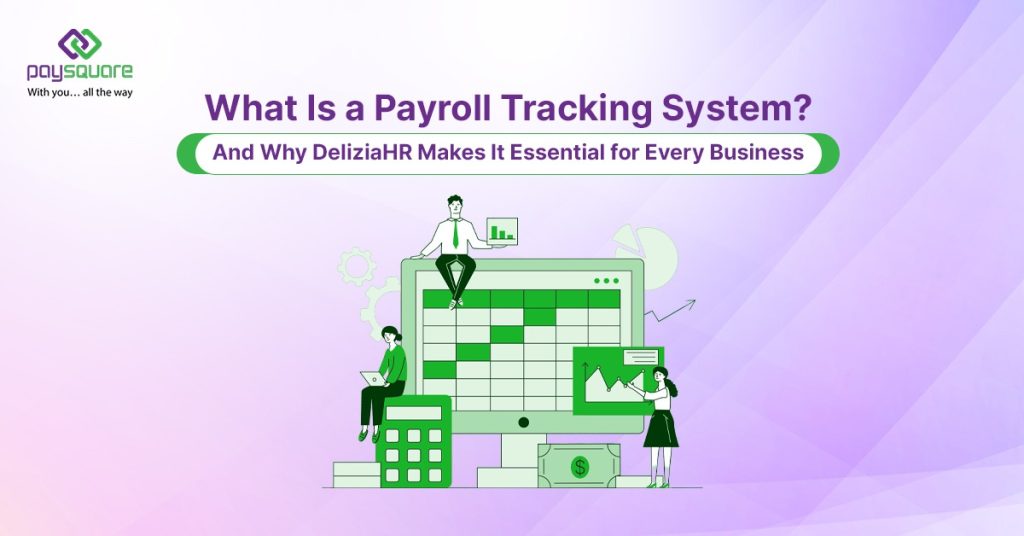
Processing payroll is not limited to just writing paychecks. Payroll manages employee time and calculates pay, taxes, and benefits. It also covers payments, filings, and monitoring all payroll processes, including work hours. A payroll tracking system is software that records and monitors employee hours, attendance, allowances, reimbursements, deductions, statutory filings, and related payroll data.
One way to define payroll management services is that they streamline and integrate all payroll-related processes—such as calculating take-home pay and managing taxes—helping employers save time while significantly reducing the risk of errors.
Key Functions of a Payroll Tracking System
A reliable payroll tracking system will have the following aspects:
- Master data- It includes banking information, tax IDs, and makeup of salary.
- Time sheets and attendance updates- hours worked, overtime, shift differentials, and paid leave. Any other reimbursement forms related to allowance and bonus payments.
- Stats are PF/ESI/tax deductions.
- A ‘net pay’ usually means a type of clearing and agreed-upon salary to be paid in cash or by check. Deductions are made by the company, as mentioned above.
- Payslips, reporting, and payroll certificates for legal filings.
- Audit, queries, and tracking down of discrepancies.
- Integration with the HRMS and accounting systems.
Business enterprises determine exactly who to pay, for what reason, and when, while maintaining records that validate compliance and accuracy.
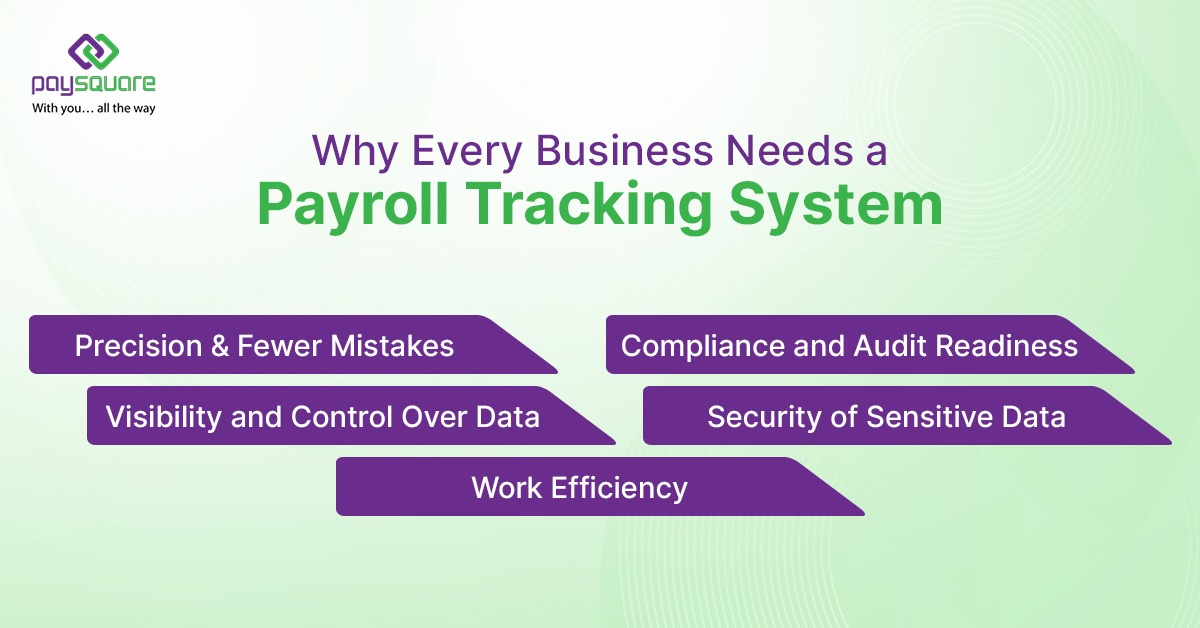
Why Every Business Needs a Payroll Tracking System
Some of the critical reasons why it is good to have a payroll system in place:
- Precision & Fewer Mistakes: Manual tracking or scattered spreadsheets are prone to errors. This is one area where payroll services would decrease mistakes.
- Compliance and Audit Readiness: Labour legislation, taxation laws, and compulsory contributions could change periodically. A system that issues reminders and is open to audit at any moment is what you need.
- Work Efficiency: Automated payroll tracking requires less effort, allowing more time to focus on strategic company matters. 4.
- Visibility and Control Over Data: With payroll data maintained in a system, you now have a clear picture of running and total costs, productivity, pay trends, and dashboards.
- Security of Sensitive Data: The security of payroll data is of extreme importance; bank information, tax numbers, and other sensitive data are among them. An appropriate tracking system provides controlled access and encrypted, shielded data.
How DeliziaHR Elevates Payroll Tracking for Every Business
The system is powered by DeliziaHR (Paysquare), an integrated HRMS and payroll processor; it is genuinely a payroll-tracking gem. This is how it goes:
1. Unified Platform & Data Flow
DeliziaHR provides functionalities such as recruiting, employee master (including attendance/time & leave), payroll processing, reimbursement, and relieving, all in one place. This indicates that all relevant tracking data are available on a single platform rather than being distributed across different systems. For example, the attendance/leave module is fed directly into payroll processing.
2. Tracking & Query Management
The system tracks time, attendance, and leave, while query management helps raise and resolve discrepancies quickly. Tracking should mean recording transactions simultaneously with their monitoring and, if needed, effective correction.
3. Compliance, Audit & Security.
TDeliziaHR boosts security with 2FA, SSO, and end-to-end encryption. It also complies with ISAE 3402 SOC 1, ISO 27001, and GDPR.
These safeguards are not just offered but made mandatory to ensure consistent compliance and data integrity.
As a result, auditors remain confident, payroll entries stay highly reliable, and compliance can be easily demonstrated whenever processing is feasible.
4. Customisable and Scalable
Customising checklists (onboarding/exit), approval hierarchies, and flexible workflows, configurable in nature. When a business expands or changes, the tracking system adapts to support growth, not hinder it.
5. Centralised Reporting and Data Access
Storing all data in a single system ensures the effectiveness of the reporting tool. Management needs payroll sums, deduction reports, variance reports, and time attendance data to understand their tracked information.
Why It’s Essential for Businesses of All Sizes
Our tracking capability at DeliziaHR makes it a perfect choice, whether you are a small or a big business:
- SMEs benefit from having a partner to handle the complexity of payroll tracking (deductions, compliance issues) that could otherwise overwhelm a lean HR team.
- Big businesses could benefit, as they face the challenges of scale, multiple locations, large employee counts, complex pay structures, and multinational compliance issues. Delizia supports scalability and integration issues.
- Growing companies piece all these threads together; as one progresses, payroll tracking becomes more complex with new employees, new states or countries getting on board, and the latest pay rules, which vary widely. Starting early with Payroll Outsourcing Solutions helps you establish a robust tracking system from the outset, saving both you and your employees significant time, effort, and complications in the long run.
Best Practices for Using DeliziaHR to Track Payroll Effectively
To maximise payroll tracking within DelizerHR, here are the tips you should use:
- Rigorous data governance at the master level: Your tracking system needs good data to be accurate. Using DelizerHR’s onboarding and master data modules on time and to completion.
- Attach time and leave modules: Make sure DelizerHR captures every day, clock hours, holiday time, and overtime worked to convey these inputs to payroll tracking.
- Implement Explicit Approval Flows and Workflows. Its data-approval regimen should also include governance oversight of significant changes (such as salary adjustments, bank account details, and leaves) in accordance with the company’s specific approval rules.
- Access to Self‑Service and Trends in Transparency: Employees can check key numbers such as pay slips, attendance, and claims; this reduces queries and helps them place more trust in the tracking program.
- Be Proactive: With dashboards and reports, you can monitor error rates, deduction variances, service and compliance gaps, and cycle or payroll cycle completion time.
- HR/Payroll Users Training: Teach them how to use the system correctly, what to watch out for, and how to remedy issues.
- Periodic Audits and Reviews: While the system uses data, regular reviews are necessary to ensure compliance with the rules, avoid outdated regulations, and ensure all integrations are in place.
Conclusion
A payroll tracking system is a vital business tool that prevents inaccurate, non-compliant, and non-transparent pay cycles. This builds employee trust, lowers costs and risk, and helps HR and finance leaders better strategize around a major cost center. DeliziaHR enables all features to work from a single platform: data capture, process control, security of sensitive information, visibility, and action tracking at every step in payroll. You need that tracking ability, whether you manage 100 employees or 10,000, and DeliziaHR enables it.


