

Introduction of Payroll Statutory Compliance
Companies of all sizes in India trying to navigate payroll statutory compliance may face some problems further. The payroll industry in India is regulated by a complex network of national and state laws & regulations which includes labour laws, income tax, provident funds, and employee state insurance. Every state in India may have its laws & regulations but statutory compliance is a complicated process and thus requires attention to detail and constant attentiveness.
Businesses need to keep up with new rules and regulations as not knowing about the updates and changes to can lead to complexity. When businesses aren’t aware of the changes and frequent updates then they may break the law which leads to penalties, legal problems & reputational damage. By maintaining payroll compliance businesses can avoid such complexities and build a trustworthy relationship with employees.

Third-party payroll service providers become an essential part of companies. The service providers have a team of experienced employees in payroll process management and they ensure that all the legal necessities of the company are managed timely and accurately. Third-party payroll services help companies avoid the complications of payroll compliance so that the companies can focus on other aspects of growth.
Understanding the Legal Landscape in India
Central Laws
The Employees’ Provident Funds and Miscellaneous Provisions Act, 1952
Employees’ Provident Funds and Miscellaneous Provisions Act of 1952 is an important part of the law that offers social security to employees. The law regulates companies to pay into the Employees’ Provident Fund (EPF) which is a retirement benefits program. According to this act, both employers and employees are required to pay a fixed amount of money from their payments. The fixed amount is to be reported regularly and correctly to the Employees’ Provident Fund Organization (EPFO) along with continued contributions.
The Employees’ State Insurance Act, 1948
Social security and health insurance for employees are provided by the 1948 Employees’ State Insurance Act. Employers and employees are required to make contributions to the Employees’ State Insurance Corporation (ESIC), which is in charge of running the program. Regular filing of returns, managing records, and timely and accurate contributions are important parts of the ESIC.

The Payment of Bonus Act, 1965
The Payment of Bonus Act of 1965 let employers pay an annual bonus to employees whose salaries fall under a certain bracket. The company’s financial position and employee salary specify the bonus. To ensure compliance a company must pay on-time, carefully calculated and correct bonuses along with proper maintenance of documents.
The Payment of Gratuity Act, 1972
If an employee has worked in a company for a maximum of 5 years, then according to the Payment of Gratuity Act of 1972 the employer is required to give bonuses to that employee. The employee’s years of service and the amount of their most recent pay check are used to determine the gratuity amount. Statutory compliance with gratuity payments entails accurate computation, prompt payment, and record-keeping.
The Minimum Wages Act, 1948
The minimum salary rates for both skilled and unskilled labourers are established by the Minimum Wages Act of 1948. The federal government and the state governments each periodically update these rates. Ensuring that workers receive at least the minimum wage and keeping accurate wage records are necessary for compliance.

The Income Tax Act, 1961
In India, income taxes are governed by the Income Tax Act, of 1961. Tax at source (TDS) must be withheld by employers from employee salaries and deposited with the government. Ensuring compliance entails precisely computing TDS, depositing the amount withheld on schedule, and submitting TDS returns every quarter.
Local Laws
State-specific Shops and Establishments Acts
Every Indian state has its own Shops and Enterprises Act that governs employment and working conditions in retail stores, restaurants, theatres, and other enterprises. Overtime, leaves, breaks & working hours are covered under this act. Maintaining important documents, and records & handling the provisions of the relevant state laws are necessary for the
statutory compliance.
State-specific Labor Welfare Fund Acts
State-specific Labor Welfare Fund Acts ensure the well-being of their workforce. Employers are required to contribute some amount of money to various kinds of welfare initiatives. Compliance includes correct calculation and pay of contributions along with managing the required records.
Professional Tax
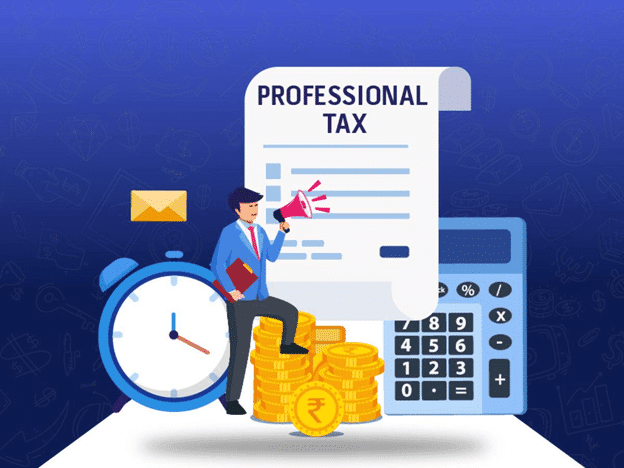
Professional tax means a state-level tax on businesses, jobs and employment however it can differ in tax practices and rates. Professional tax is taken by employers through employee salary and then given to the state government.
Role of Third-Party Payroll Services in Ensuring Compliance
Expertise in Legal Compliance
Third-party payroll services providers have expertise and knowledge of state and central laws coming under payroll statutory compliance in India. The experts in legal compliance remain aware of the new changes or updating in the law, ensuring that the payroll process they look upon is compliant with present regulations. Experts understanding lessen the chance of non-compliance by helping in the exact calculation of taxes, deductions, and donations.
Technology and Automation
The important services part of third-party payroll providers are technology and automation. The automated payroll system can report timely payroll processing, manual errors and correct results. An automated and technology-equipped system can handle complicated calculations, and deductions which include Provident Fund, Professional Tax, and Employee State Insurance along with ensuring that all the payments are done in time before the deadline. Automation also helps the companies in integrating with other company systems hassle-free which results in boosting productivity.
Centralized Compliance Management
Statutory compliance services provide centralized compliance management which helps in observing and reporting the functions related to compliance. Integration of centralized compliance management ensures uniformity in compliance among departments and branches of a company. It can provide a medium for the companies to keep all the documents, and reports aligned with compliance which makes it easy to access data during audits and inspections.

Customization for Local Compliance
As the legal system in India is assorted, payroll service providers must be flexible and adjustable in fulfilling the demands of states and regions. Third-party payroll outsourcing providers can provide customized legal compliance to companies according to their requirements and needs. These service providers help in ensuring that the company payroll procedure concedes with state-specific laws which include Shops and Establishments Acts, Labor Welfare Fund Acts & Professional Tax Rules. Customization of local compliance helps companies maintain compliance across all parts of their functions.
Training and Support
Statutory compliance services offer training and support to their clients to ensure continued compliance. The training includes the payroll and HR department teaching compliance, updated regulations and best methods. In other words, they make the company employees efficient enough that they can solve any compliance-related problem.
Key Compliance Areas Managed by Third-Party Payroll Services
Provident Fund and Employee State Insurance
The complexity of complying with Employee State Insurance (ESI) and Employee Provident Fund (EPF) regulations is handled by third-party payroll providers. They guarantee correct computation, prompt contribution remittance, and timely submission of monthly and yearly results. By making sure that all EPF and ESI obligations are fulfilled and staying up to date with regulatory changes, these providers protect firms from fines and legal problems.
Tax Deducted at Source (TDS)
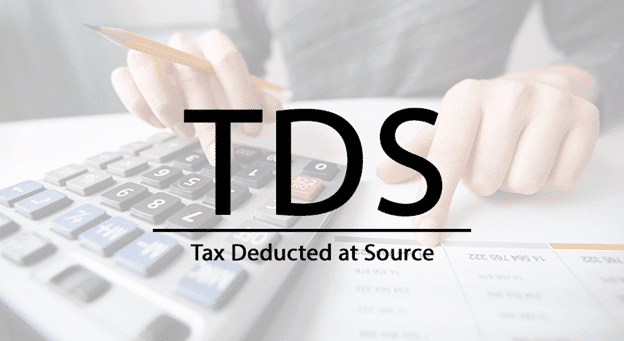
One crucial area that is overseen by third-party payroll services is compliance with the Income Tax Act, of 1961, specifically about Tax Deducted at Source (TDS). They ensure timely deduction and remittance to the government by managing the accurate computation of TDS on employee salaries. They also oversee the issuing of Form 16 and the filing of quarterly TDS returns, which gives employees the supporting documents they need to file their taxes.
Minimum Wages and Overtime
Complying with the 1948 Minimum Wages Act is just another essential service provided by payroll outsourcing providers. They make certain that workers earn at least the federally or state-mandated minimum wage. They also oversee the computation and disbursement of overtime compensation by regulatory mandates, keeping precise records to prove compliance in the event of an audit.
Bonus and Gratuity
Payroll outsourcing services provided by third parties guarantee adherence to the 1965 Payment of Bonus Act and the 1972 Payment of Gratuity Act. They make sure that the annual incentives are disbursed on schedule and appropriately, taking into account the company’s revenues and employee pay. They manage the gratuity computations, making sure that payments are paid in compliance with the law, based on the worker’s tenure and most recent pay.

Professional Tax
Third-party payroll providers effectively handle another area of compliance: professional tax, which is a state-level tax. They guarantee that professional tax is duly withheld from employees’ pay and promptly sent to the appropriate state government. These providers are skilled in handling the many state-specific filing requirements and rates that are necessary for compliance.
Benefits of Using Third-Party Payroll Services for Compliance
Risk Mitigation
By using third-party payroll services, you can lower your chance of breaking both local and federal rules. By making sure that all payroll procedures follow the most recent regulatory requirements, these providers shield companies from possible fines, penalties, and legal problems. Their proficiency in handling intricate compliance responsibilities reduces mistakes and guarantees the prompt submission of all required paperwork.
Cost Savings
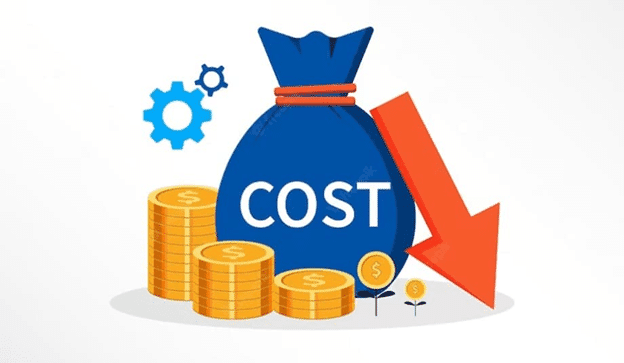
Payroll statutory compliance can be outsourced to outside companies at significant cost savings. Companies can save money by not having to pay for payroll software, manage administrative overheads, or hire and educate internal compliance teams. Additionally, businesses might avoid unanticipated legal expenses by avoiding fines and penalties linked to non-compliance.
Focus on Core Activities
Payroll compliance might be outsourced to allow firms to concentrate more on their main operations and long-term objectives. This frees internal teams from the burden of managing payroll, allowing them to focus on other important tasks like growth projects. The organization may become more productive and efficient as a result of this concentration.
Access to Expertise
Payroll laws and regulations are complex, and third-party payroll services provide access to a team of professionals who are knowledgeable about them. These experts make sure that all payroll procedures are updated by the most recent changes in legislation. Their specific expertise and experience improve payroll compliance’s dependability and accuracy.

Scalability
Businesses’ payroll requirements get more complicated as they expand. Payroll services provided by third parties offer scalable solutions that may be adjusted to meet the evolving needs of an expanding company. These companies can supply businesses with specialized statutory compliance services that grow with them, regardless of whether they are entering new markets, hiring more staff, or dealing with shifting legislation.
Challenges and Considerations
Data Security
One of the biggest challenges when outsourcing payroll services is making sure that critical payroll data is secure. Businesses must confirm that third-party providers have implemented strong security protocols, such as encryption, secure data storage, and rigorous access controls. Ensuring the security of employee data against breaches and unauthorized access is crucial for adhering to data protection requirements and preserving employee confidence.
Integration with Existing Systems
It might be difficult to integrate third-party payroll services seamlessly with an organization’s current systems. It is necessary to handle compatibility difficulties with accounting software, HRMS systems, and other enterprise applications. Efficient integration guarantees error-free data flow and boosts overall productivity.

Customization and Flexibility
Custom payroll solutions may be necessary for businesses that operate in several states or regions to comply with various local compliance regulations. It’s crucial to confirm that third-party payroll services can provide the required level of customization and flexibility. To meet the unique requirements of the company, providers must be flexible enough to handle variations in tax rates, labor legislation, and wage structures.
Vendor Reliability
It’s crucial to select a trustworthy third-party payroll service provider. Companies should assess the vendor’s reputation, track record, and level of payroll statutory compliance management in depth. The likelihood of compliance failures is reduced when dealing with dependable providers because they are more likely to provide timely, accurate, and consistent services.
Conclusion
In India, third-party payroll services are crucial to making sure companies follow both national and local payroll regulations. These companies assist firms in managing the legal environment, reducing risks, and avoiding expensive fines by utilizing their knowledge, cutting-edge technology, and proactive compliance management. Third-party payroll systems guarantee that organizations can adjust to evolving operational demands and legal requirements due to their scalability and customization capabilities. Furthermore, having access to extensive assistance and professional experience guarantees that any issues about compliance are resolved quickly and successfully.

Creating a culture of trust and dependability within the company is more important for achieving seamless compliance and peace of mind than simply following legal regulations. Businesses may guarantee that their payroll procedures are accurate, efficient, and fully comply with all legal requirements by forming a partnership with reputable third-party payroll providers. In the end, this strategic partnership gives businesses the freedom to concentrate on their core competencies, secure in the knowledge that their payroll compliance is handled by professionals.
Question
What are the key central laws governing payroll compliance in India, and how do they impact businesses?
The Employees’ Provident Fund Act, Employee State Insurance Act, Payment of Bonus Act, and Income Tax Act are important central laws. These regulations affect firms by requiring exact compliance to avoid fines and preserve employee confidence. They also mandate contributions, deductions, and timely filings.
How do local laws, such as state-specific Shops and Establishments Acts and Professional Tax regulations, add to the complexity of payroll compliance in India?
States have varied local laws that set forth criteria for salary, leave, working hours, and professional tax rates. Payroll compliance becomes more complicated as a result of this diversity, requiring customized solutions and close attention to various state rules to guarantee complete legal conformance.
In what ways do third-party payroll services leverage technology and automation to ensure accurate and compliant payroll processing?
Advanced technology and automation are used by third-party payroll services to ensure accurate computations, timely payment processing, and the production of comprehensive reports. For effective payroll management, these technologies minimize human error, guarantee legal compliance, and easily interface with current corporate systems.
What specific compliance areas, such as Provident Fund, Employee State Insurance, and Tax Deducted at Source (TDS), are managed by third-party payroll services, and how do they handle them?
Payroll services provided by third parties oversee Provident Fund contributions, Employee State Insurance, and TDS by precisely computing amounts, guaranteeing prompt payments, and submitting required paperwork. To guarantee complete compliance with these important areas, they keep comprehensive records and stay informed about changes in regulations.
What are the primary benefits of using third-party payroll services for compliance management, and how do they help businesses mitigate risks and reduce costs?
The main advantages are increased accuracy, reduced risk, cost savings, and expert access. By ensuring compliance, lowering legal risks, and relieving companies of administrative duties, third-party services enable firms to concentrate on their core competencies and strategic expansion, ultimately resulting in cost savings.
What challenges and considerations should businesses keep in mind when choosing a third-party payroll provider, especially regarding data security and integration with existing systems?
Companies should take into account the provider’s dependability, customization choices, compatibility with other systems, and data security measures. Effective and safe payroll management requires strong security protocols, smooth connection with existing systems, and flexibility to meet individual requirements.


