Running a small business comes with an array of accounting responsibilities – tracking cash flow, reconciling bank accounts, and managing expenses. Unfortunately, the weeds of manual tasks, paperwork, and human errors also follow.
There is no denying to the fact that accounting and bookkeeping tasks can snatch your focus away from essential business activities.
In the beginning, you may still be able to handle bookkeeping, taxes, and payroll without spending extra resources. However, once your company is on an upward trajectory of growth, tax complications and incorrect account calculations increase the cost of correcting mistakes.
Before you encounter grave accounting and bookkeeping complications, utilize these accounting tips to achieve long-term business goals. This article will discuss the accounting tips for small businesses that can help you manage operations, receivables/payables, and overall financial strategy.
Also Read: What is Earned Leave? Meaning, Types, and Advantages
Accounting Tips for Small Businesses
Small business owners often get caught in daily bookkeeping and accounting activities and yet never find a successful way out of it. By implementing simple bookkeeping and accounting tips, you can achieve a strong hold on your financial standing.
Let’s explore some accounting tips for small businesses.
1. Hire an Accountant and Bookkeeper
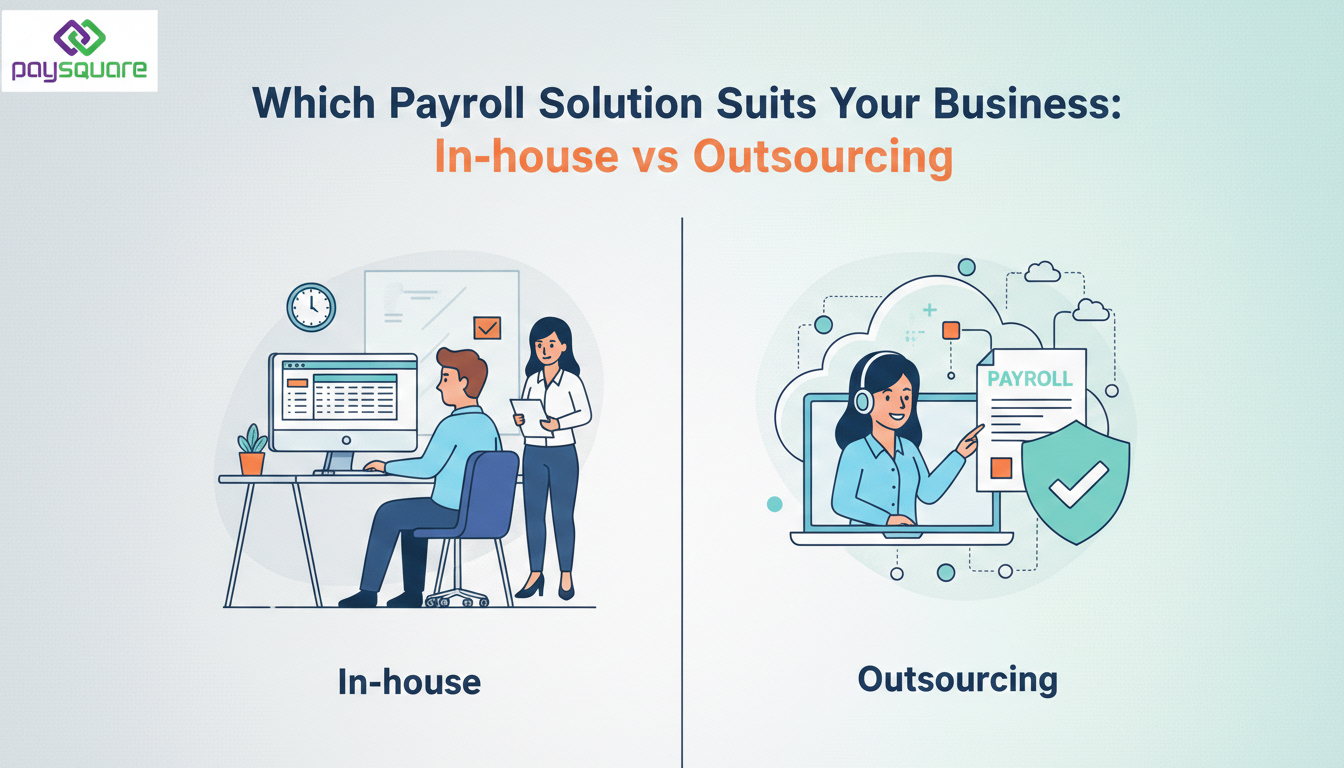
Although it is necessary for business owners to handle major tasks in-house in the starting, you still need to ensure that you are not piling up errors. Hiring an accountant, bookkeeper, or outsourcing firm may give your organization the right knowledge and experience required for crucial decisions.
Having someone who understands accounts, books, tax changes, and industry trends in your team only works in your favor.
2. Track Account Receivables
Most startups or small business owners start their venture based on a few loans and borrowings. However, separating this borrowed money from the account receivables is important to avoid errors in accounting. Don’t lose track of the payments and receivables.
3. Manage Balances
Undeniably, this is the most essential yet difficult task. One issue faced by small businesses is the inability to keep the cash flow steady. This is due to the fact that even though account receivables are high, the actual money in the business account is low.
Most of the payments or balances have not been cleared. Having a strong payment policy and advanced billing structure can keep your cash flow steady.
4. Plan A Budget
Planning a yearly budget or quarterly budget is a common activity for every organization. But, small organizations should specifically focus on weekly budgets. Based on the reports of the previous month or weeks, the budget for the coming week can be precisely predicted.
Focusing on every week gives the business a better hold of their financial structure. The understanding of company finances improves, which enhances decision-making capabilities.
Also Read: Types of Leave in a Company – Different Leaves in Jobs

5. Update Financial Data
Making strategic business decisions based on the financial status of the business is always a lost-cause if your accounting and bookkeeping tasks are lagging behind.
It would be impossible to practically analyze the health of your financial status, cash flows, receivables, debt, payables, etc. Needless to say, this stops business owners from making informed business choices.
6. Monitor Expenses
Every penny that is spent from your organization for business requirements counts. Keeping a track of this money is necessary to reduce unnecessary expenses and cost overheads.
Closely scrutinize and assess the cash flow statements, financial records, and bookkeeping data to monitor expenses. This will give you a clear picture of where your money is going, which also helps in avoiding fraud.
7. Manage Taxes
No company likes paying the penalties for minor human errors in tax calculations. The best method for mitigating non-compliance issues is having a professional onboard. Since taxes can be complicated, an accountant or outsourcing organization can facilitate payments and tax management.
8. Automate Bookkeeping
Isn’t it hectic to trace and track receivables, payables, loans, sales, and other finances of the company? The hassle of updating books on a daily basis only adds to the misery. Automating accounting and bookkeeping activities can streamline accounting lifecycle.
Your accounts will be effectively reconciled and books automatically updated – reducing the scope for inaccuracies and manual errors.
9. Differentiate Personal Expenses
Keep your personal and business expenses separate. Even if you are funding your business or sending capital from your personal assets to business accounts, ensure that this transaction is properly documented.
This is necessary as it is not possible to acquire deduction on personal expenses from your company tax return. It simply invites penalties and non-compliance complications.
10. Ensure Quarterly Review
Every quarter, thoroughly scrutinize the full quarter’s accounting and bookkeeping activities. Check trends, declining sales in a particular section, late payments, delayed receivables, overheads, and quarterly revenue in comparison to yearly revenue.
This empowers you to plan future such as moving to a new office location, expanding, etc.
Also Read: Union Budget Update: 1st February 2025
Outsource and Automate
Managing bookkeeping and accounting without professional help is next to inviting errors. Unless you, as a business owner, have a lot of knowledge of accounting and bookkeeping, it is imperative to have professional eyes looking at your books.
It is inevitable to reduce accounting errors with so many other responsibilities. Knowing where things are going financially out of hand and robustly managing accounts is required. An outsourcing accounting firm can achieve this task without exposing your business to risks and critical complications.
If you have any queries, please reach out to Paysquare here.
FAQs
1. What are some essential small business accounting tips?
Key small business accounting tips include maintaining accurate records, separating personal and business finances, tracking expenses, and using accounting software. These practices help ensure financial clarity and compliance.
2. Why are accounting tips for small business important?
Accounting tips for small business are crucial because they help business owners manage finances effectively, avoid costly errors, and ensure compliance with tax laws. Proper accounting practices also provide insights into business performance.
3. How to manage accounting for small business effectively?
To manage accounting for small business, use accounting software, hire a professional accountant if needed, track income and expenses regularly, and stay updated on tax regulations. These steps ensure accurate financial management.
4. What are the best tools for small business accounting?
The best tools for small business accounting include software like QuickBooks, Xero, and FreshBooks. These tools automate tasks like invoicing, expense tracking, and financial reporting, making accounting more efficient.
5. How can small businesses improve cash flow management?
To improve cash flow management, follow accounting tips for small business such as invoicing promptly, tracking expenses, maintaining a cash reserve, and negotiating better payment terms with suppliers.
6. What are common accounting mistakes small businesses make?
Common mistakes include mixing personal and business finances, neglecting to track expenses, failing to reconcile accounts, and missing tax deadlines. Following small business accounting tips can help avoid these errors.
7. How often should small businesses review their financial statements?
Small businesses should review financial statements monthly to track performance, identify trends, and make informed decisions. Regular reviews are a key part of how to manage accounting for small business.
8. Should small businesses hire an accountant or use software?
Small businesses can benefit from both. Accounting software automates routine tasks, while a professional accountant provides expert advice and ensures compliance. Combining both is one of the best accounting tips for small business.